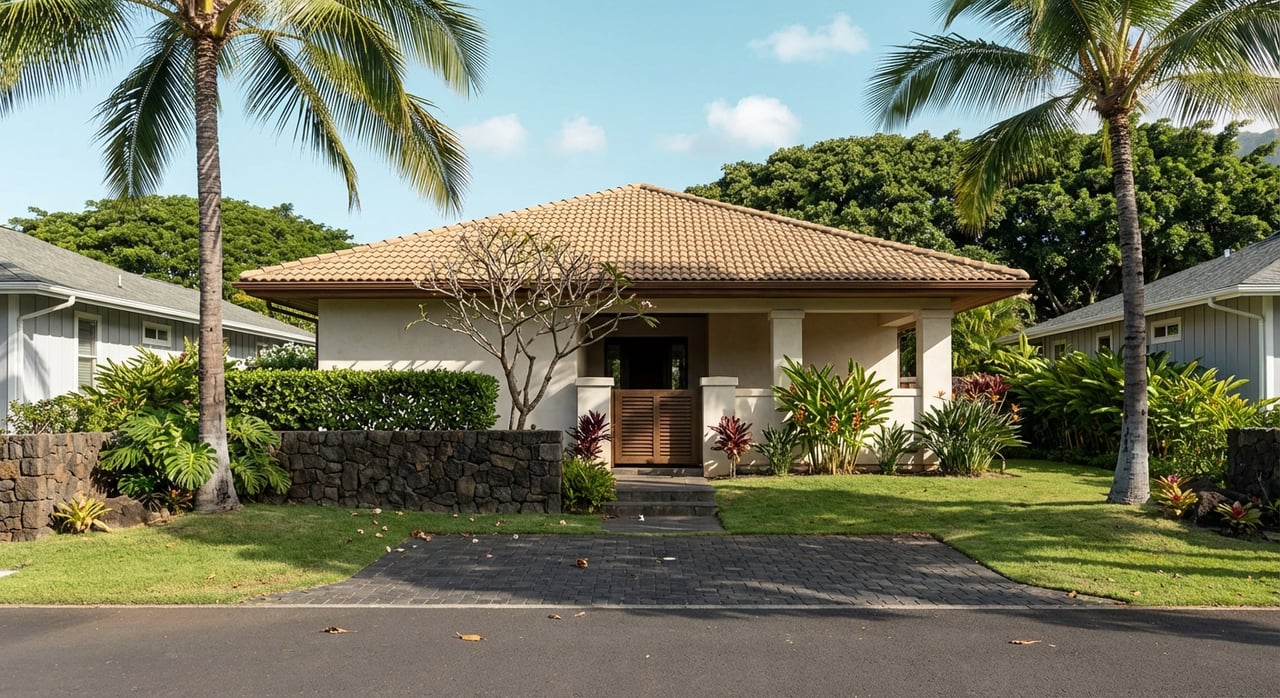
Thinking about renting your Keauhou condo to vacationers? You are not alone. The Kahaluu–Keauhou area draws steady visitor demand, but the rules and numbers can feel complex. In this guide, you will learn the essentials on AOAO rules, county and state requirements, insurance, and the costs that shape returns. Let’s dive in.
Who controls vacation rentals
Short-term rental rules in Keauhou come from three places. Understanding each layer helps you avoid costly surprises and stay compliant.
State, county, and AOAO layers
- State of Hawaii sets condominium law and statewide taxes, including the Transient Accommodations Tax and General Excise Tax. You can review current guidance on the Hawaii Department of Taxation site.
- Hawaii County controls zoning, permits, and local enforcement. Start with the county’s main portal to find planning and permitting contacts at the Hawaii County website.
- Your condo’s AOAO documents often have the most direct rules about whether and how you may rent short term. These include the declaration, bylaws, and house rules.
Practical implications
- Even if state and county rules allow vacation rentals, your AOAO can restrict or ban them if the governing documents permit that. The reverse can also be true.
- County enforcement and AOAO enforcement are separate. A fine from the AOAO does not replace county penalties, and vice versa.
- Before you run numbers, confirm that the specific unit is eligible to rent and that no changes are pending.
AOAO rules to review first
AOAO documents determine the day-to-day realities for vacation rentals. Get the current documents and read them with care.
Key documents to request
- Declaration of Condominium Property Regime and CC&Rs
- Bylaws and house rules, including any Rental Rules booklet
- Minutes from the last 12 to 24 months of board meetings
- Budget, reserve study, financials, and any special assessment notices
- Insurance requirements and sample certificate wording
- Current register of permitted rentals and owner or guest registration forms
Common restrictions you may see
- Minimum stay requirements, such as 30, 60, or 90 days. Some buildings allow nightly or weekly rentals.
- Caps on the number of units that can be rented short term or waitlists for rental permits.
- Required local contact or licensed property manager and 24/7 responsiveness.
- Guest registration procedures, parking limits, and stated fines for violations.
- Limits on owner-use days or rules about where you can market the unit.
Red flags to watch
- An explicit ban on short-term rentals in the CC&Rs or bylaws
- Pending board votes to tighten rental rules
- Low reserves or frequent special assessments
- High HOA dues that change your net operating income
- Restrictions on external marketing channels
Practical steps with the AOAO
- Ask for a written statement confirming the unit’s current rental status and any pending rule changes.
- Request all rental registration forms and agreements you would need to sign as an owner.
- Confirm whether guests must register on-site and whether extra guest or parking fees apply.
County and state requirements
Once AOAO permission is clear, confirm county zoning and state tax registration before accepting your first booking.
Hawaii County zoning and permits
Hawaii County manages zoning, land use, and occupancy enforcement. Use the Hawaii County portal to locate Planning Department contacts and to verify whether your property type and location allow short-term use or require registration. Ask about occupancy limits, required on-island contacts, and any posting or emergency contact rules.
State taxes and registrations
Most vacation rentals in Hawaii must register and remit two state taxes:
- Transient Accommodations Tax on short-term stays
- General Excise Tax on gross rental receipts
Rates and filing rules change. Review current TAT and GET guidance and registration steps on the Hawaii Department of Taxation site. Some platforms may collect certain taxes in specific jurisdictions, but you remain responsible unless state guidance confirms full platform remittance.
Insurance essentials
Standard condo or homeowner policies often exclude short-term rental activity. Ask your insurer about a vacation rental or commercial endorsement that meets AOAO requirements. Many AOAOs require proof of liability limits and to be named as an additional insured. Confirm coverage for guest-caused damage and consider an umbrella policy.
Modeling revenue and costs in Keauhou
Keauhou and nearby Kailua-Kona are established visitor areas with draw from Keauhou Bay, snorkeling, golf, and easy access to Kona International Airport. Demand is seasonal but steady.
How to estimate income
Start with nightly rate, occupancy, and average stay length. Public listings provide a feel for pricing, while paid providers like AirDNA offer structured ADR and occupancy data for condo-style rentals in Keauhou and Kona. Use seasonal assumptions rather than a single annual average.
Expense line items to budget
- Property management for full service in Hawaii often ranges from 20 to 35 percent
- Cleaning, linen or laundry service, supplies, and utilities
- Platform fees, credit card fees, and local taxes you remit
- HOA dues and any rental-specific AOAO fees
- Insurance, property taxes, and mortgage payments
- Furnishings, replacements, and reserves for repairs
Build a conservative pro forma that accounts for vacancy, seasonality, and potential assessments.
Financing and resale considerations
Some lenders treat condo vacation rentals differently from standard condos. They may require that the project be approved and will review AOAO rules and the reliability of rental income. On resale, a building that bans short-term rentals attracts a different buyer pool than one that allows them. AOAO policies, building condition, and local regulations can all influence value.
Operations and guest experience
A smooth operation protects your income and relationships with neighbors and the AOAO.
- Consider an on-island property manager who knows Hawaii County rules and your AOAO’s processes.
- Set clear house rules on quiet hours, parking, trash, and maximum occupancy. Enforce them consistently.
- Maintain a 24/7 local contact for emergencies and AOAO communications.
- Use guest screening, noise monitoring that complies with privacy rules, and quick response protocols to reduce complaints.
Step-by-step checklist before you buy
Use this list to verify facts and reduce risk during due diligence.
From the seller or listing agent
- Full set of AOAO governing documents and any Rental Rules booklet
- Written AOAO confirmation of the unit’s rental eligibility and status
- Rental history for the unit for the last 12 to 36 months, including ADR and occupancy
- Notices of violations, fines, litigation, or rule changes affecting the unit or project
- HOA financials: budgets, reserve study, assessments, and delinquency reports
- Insurance claims history for the unit and building
From the AOAO or property manager
- Owner and guest rental registration procedures and required agreements
- Insurance requirements and sample additional insured wording
- Limits on platforms, minimum stays, local manager requirements, or owner-use limits
- Current list of units permitted to rent and any cap or waitlist
From county and state offices
- County zoning confirmation for short-term use and any permits or registration steps via the Hawaii County site
- TAT and GET registration details and filing frequency from the Hawaii Department of Taxation
- Up-to-date condo law references in HRS Chapter 514B and condo information from the Hawaii DCCA Real Estate Branch
From your advisors
- A local real estate attorney’s review of AOAO rules and county code interactions
- A CPA’s guidance on TAT, GET, depreciation, and expense tracking for Hawaii rentals
- An insurance broker’s quotes for vacation rental coverage and liability limits
Trusted resources
- County contacts, planning, and permits: Hawaii County official site
- Taxes, registration, and forms: Hawaii Department of Taxation
- Condominium law reference: Hawaii Revised Statutes, Chapter 514B
- Condo and licensing information: Hawaii DCCA Real Estate Branch
- Market data provider for ADR and occupancy: AirDNA
Ready to explore a Keauhou condo that fits your lifestyle and rental goals? With deep Kona market knowledge and concierge-level service, we help you confirm AOAO rules, coordinate due diligence, and connect you with trusted local managers and advisors. Reach out to Team Kuessner Davis to map your plan.
FAQs
What taxes apply to Hawaii vacation rentals in Keauhou?
- Most hosts register for Transient Accommodations Tax and General Excise Tax, with current rules and rates available at the Hawaii Department of Taxation.
Can my AOAO change short-term rental rules after I buy?
- It depends on the declaration and bylaws. If they allow new restrictions, the board may adopt changes consistent with those documents and state law, so verify current rules and any pending changes before closing.
Do booking platforms collect and remit Hawaii taxes for me?
- Sometimes in certain jurisdictions, but you remain responsible for correct registration and remittance unless state guidance confirms full platform coverage.
What insurance do I need for a vacation rental condo?
- Many standard policies exclude short-term rentals. Ask for a vacation rental or commercial endorsement that meets AOAO requirements and consider umbrella liability coverage.
How can I estimate occupancy and ADR for Keauhou?
- Review local listings for comps and consider paid analytics from providers like AirDNA for structured ADR and occupancy data by neighborhood and unit type.