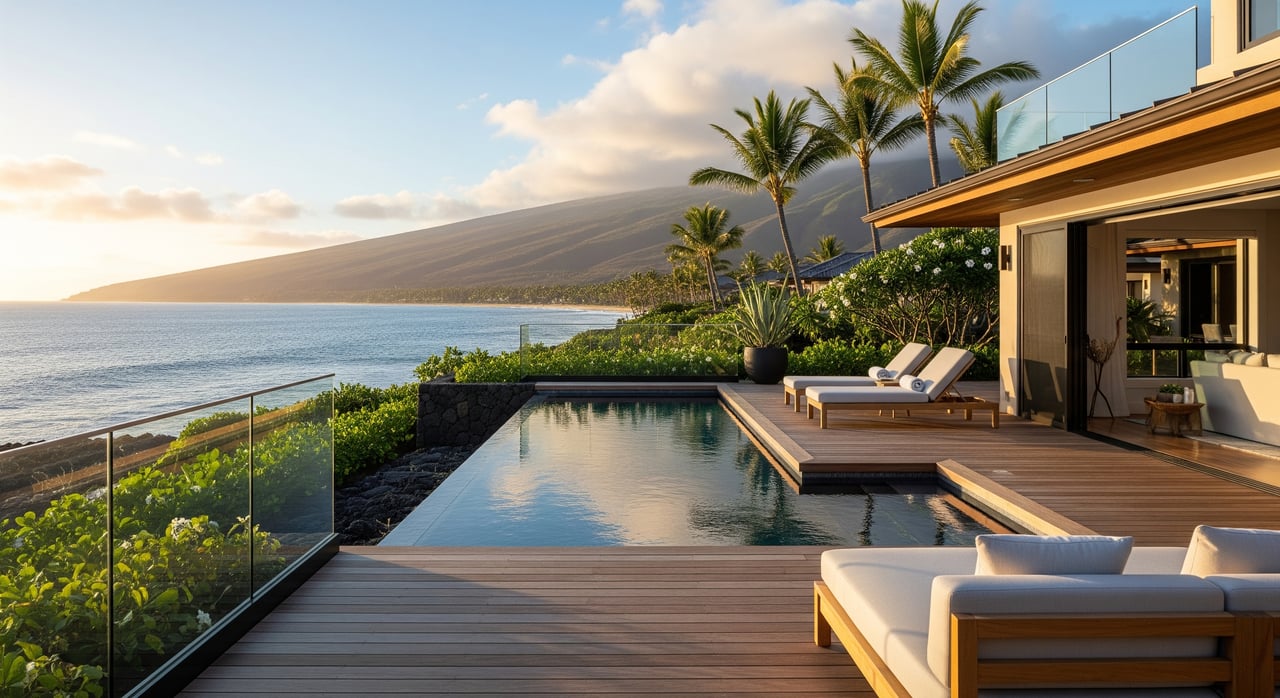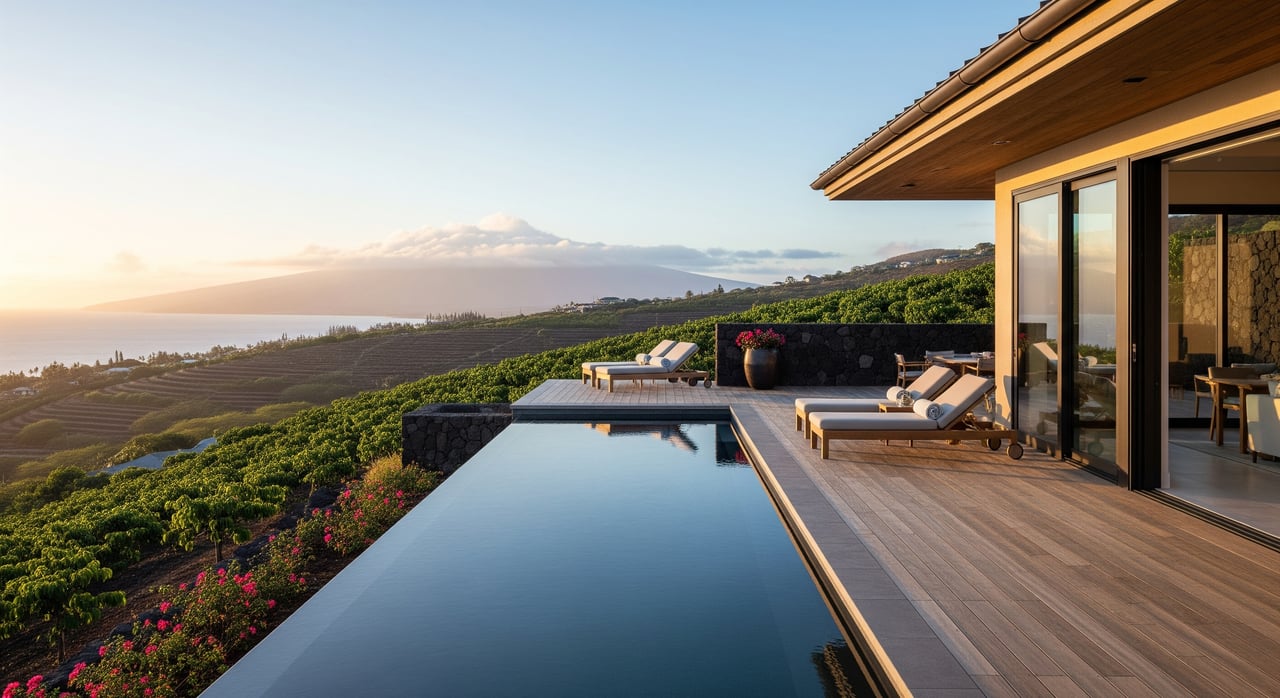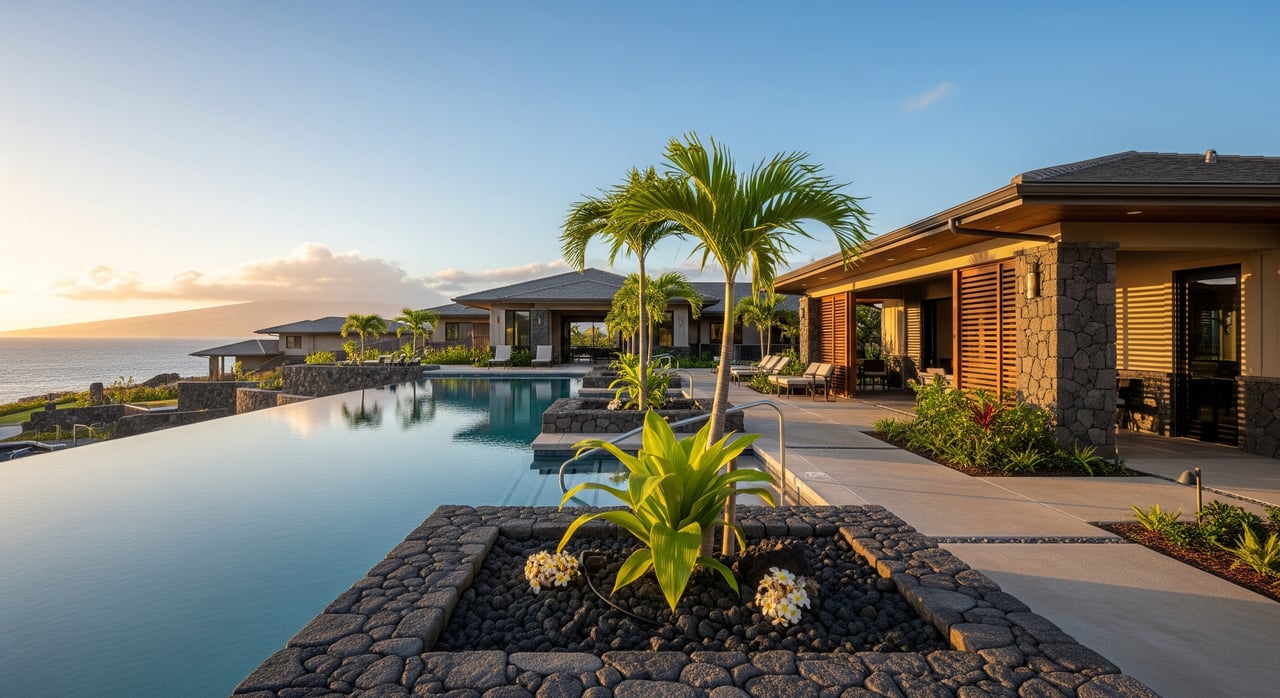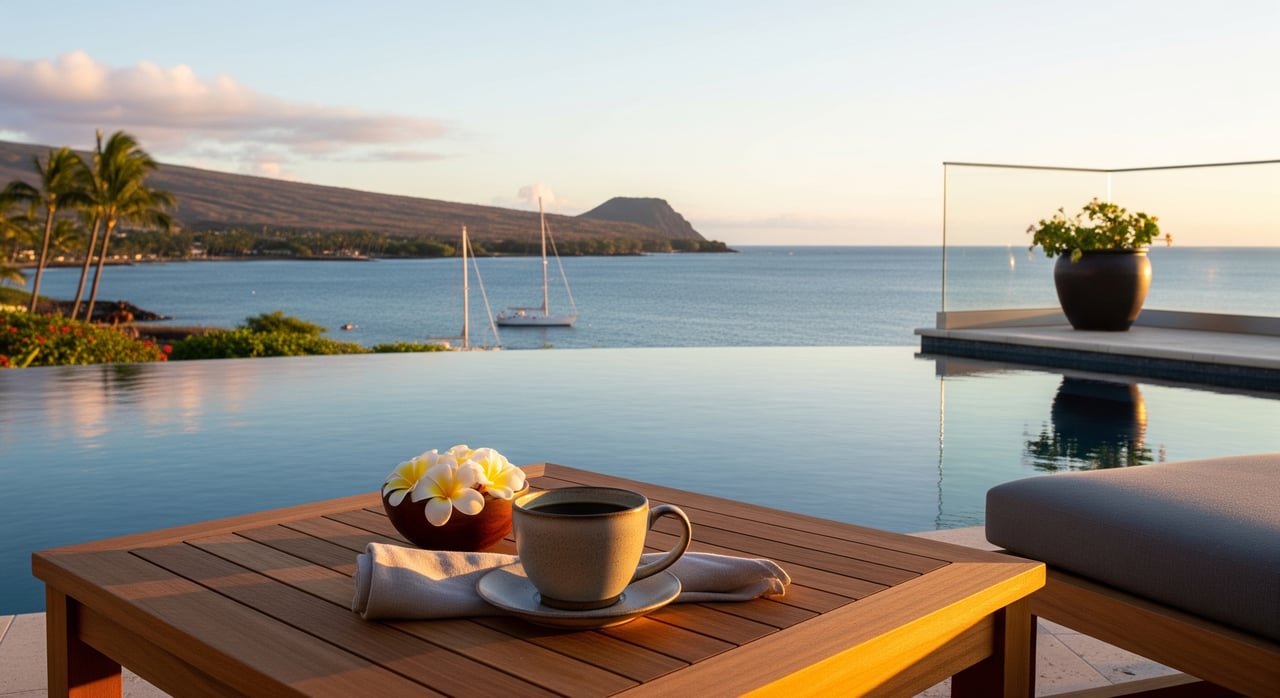
What would your day look like if the ocean was your neighbor and the mountains your backdrop? If you imagine warm mornings, fresh coffee, and sunsets that stop you in your tracks, Kailua‑Kona might be your place. You also want the real picture: where you’ll shop, how you’ll get around, and the rules that shape owning here. This guide walks you through a typical day in Kona and the practical details that help you decide if everyday life on the coast fits your goals. Let’s dive in.
Morning rhythm on the Kona coast
Kona wakes up early. You’ll find locals and visitors out before the sun gets high, grabbing breakfast near the water and sipping locally roasted Kona coffee. Many people head to the shoreline for a quick snorkel, paddle, or run while the air is cool and the water is calm.
Popular spots draw early crowds. Kahalu‘u Beach Park is known for snorkeling in protected waters, and Magic Sands, also called La‘aloa, offers swimming and bodyboarding when conditions allow. Much of the Kona coastline is lava rock, so sandy beaches are limited and can fill quickly.
Microclimates shape your morning plans. The oceanfront is sunny and warm, while upland areas like Holualoa are cooler and see more rain. If you live mauka, you might enjoy coffee among the clouds before driving down for a swim.
Midday errands and work
By late morning, you’ll shift into everyday tasks. Downtown and nearby centers offer grocery and household shopping, with a mix of national and local grocers. Farmers’ markets supply fresh produce and locally made items, and you can often pick up fish and coffee roasted within miles of town.
Driving is the norm for errands. If you live close to historic Ali‘i Drive, walking to shops and restaurants is more practical. Parking can be tight near the waterfront during peak hours, so plan a little extra time on busy days.
Many residents work in hospitality, retail, construction, agriculture, and health or county services. Commutes around West Hawai‘i are usually short by mainland standards, but traffic downtown can slow during visitor peaks and events. Families have public school options through the Hawaii State Department of Education and a selection of private preschools and schools. It’s wise to verify school capacity and commute patterns for your specific address.
Afternoons, day trips, and the water
When the day warms up, you might choose calmer activities. Many people explore coffee farms and art galleries in Holualoa or take short hikes. South of town, Kealakekua Bay offers clear water and marine life, and Pu‘uhonua o Hōnaunau National Historical Park provides a meaningful look at local history and culture alongside scenic shoreline.
Kona’s boating culture is strong. You’ll see deep‑sea fishing charters heading offshore, winter whale‑watching tours, and the famous manta ray night snorkel or dive experiences after dusk. Whether you live here full time or split time seasonally, time on the water is a core part of the Kona lifestyle.
Evenings: sunsets and simple nights
Sunset along Ali‘i Drive is a daily ritual. Locals stop to watch the colors change over the Pacific, often with dinner plans nearby. You’ll find everything from food trucks and plate‑lunch favorites to mid‑range seafood restaurants.
Nightlife is relaxed. Expect casual bars and live music rather than a big city scene. Visitor activity concentrates downtown, while residential neighborhoods are generally quiet after dark.
Daily logistics that shape life
Getting around and airport access
Kona International Airport is the main West Hawai‘i gateway, with inter‑island flights and select mainland routes. Depending on where you live, the drive from Kailua‑Kona to the airport typically ranges from about 20 to 45 minutes.
Most residents rely on personal vehicles. The Hele‑On Bus provides limited service across the island, but frequency is lower than major mainland systems. If walkability is a priority, living close to the historic core offers the most convenience.
Utilities and internet
Electricity costs in Hawai‘i trend higher than the U.S. mainland average, so energy planning and efficient systems matter. Water sources vary by neighborhood. Many areas have county water, while some rural properties rely on private wells or rain catchment. Wastewater systems also vary. Older rural properties may have septic systems or cesspools, and state and county rules are evolving to phase out cesspools.
Internet quality is neighborhood‑specific. In developed areas, cable broadband is common. In more rural settings, service may depend on fixed wireless, mobile broadband, or satellite. It’s smart to request recent speed tests for a specific address before you buy.
Healthcare and schools access
Kona has clinics, urgent care, and a local hospital serving everyday needs. For some specialties, you may need to travel to larger hospitals on other islands. Families should confirm school options and bus or drive times as part of their neighborhood search.
Cost of living and housing
Groceries, fuel, dining, and building materials are typically more expensive than on the mainland due to shipping and availability. Housing costs on the Kona coast are higher than national medians, with prices varying by ocean proximity, view, lot size, and condition. Renovation and construction often take longer and cost more, given logistics and contractor availability.
Homeowners insurance can also be higher, especially for coastal coverage or properties used as vacation rentals. It pays to get insurance quotes early and confirm what is covered for wind, flood, and liability.
Natural factors to plan for
Respect for the ocean is part of daily life. Shorelines can be rocky and slippery, currents change with tides and season, and not all beaches have lifeguards. Learn local conditions and choose swimming spots matched to your comfort level.
Volcanic activity can create vog, or volcanic smog, that occasionally softens views and affects air quality depending on winds. Kona is generally less affected than some downwind areas, but episodes happen.
Hawaii maintains tsunami siren systems and evacuation routes. If you are considering coastal property, review flood zones and evacuation maps, and ask about shoreline setbacks and any conservation or cultural protections. While hurricanes and tropical storms are less frequent here than in some regions, preparedness is still part of the island mindset.
Owning and regulations to know
Short‑term rental rules
Short‑term rentals are regulated by Hawaii County and, in many cases, by community or HOA rules. Regulations can change. If rental income is part of your plan, verify county ordinances, permits, and any community restrictions for the specific parcel before assuming future rental use.
Wastewater and permits
Cesspool phaseouts and upgrades are ongoing across the state. If a home has a cesspool or older system, you may face upgrade requirements during sale or when pulling permits. Building near the shoreline can also involve special setbacks, historic or cultural considerations, and longer timelines.
Insurance and financing
Underwriters may apply additional standards for coastal properties or homes in hazard zones. If you plan to finance a vacation‑rental property, be aware that lending and insurance requirements can be stricter. Gathering quotes and lender feedback early helps you plan with confidence.
How Kona compares nearby
Choosing where to live also depends on the vibe you want day to day. Here is a quick snapshot of nearby areas many buyers consider:
- Keauhou: Resort‑adjacent with a small marina, golf, and condo communities. Close to town but quieter than the Ali‘i Drive core.
- Holualoa: Upland coffee country with cooler temperatures, rural settings, and artists’ galleries. Not on the beach, but great for those who like space and a slower pace.
- Waikoloa: North of Kona with resort infrastructure, shopping centers, golf, and newer neighborhoods. More resort amenities, farther from Kona’s historic waterfront.
- Captain Cook and Kealakekua: Rural, agriculturally focused, with access to notable cultural sites and clear‑water snorkeling. A quieter setting with a longer drive to Kona services.
Is Kona a fit for your day?
A typical day in Kailua‑Kona balances ocean time and small‑town ease. Mornings are active, afternoons slow down, and evenings gather around sunset. The lifestyle is rich in nature and community, and it works best when you pair the romance of the coast with clear expectations about costs, utilities, internet, and local rules.
If Kona living speaks to you, we can help you match the day you want with the property that supports it. From due diligence on utilities and permitting to guidance on short‑term rental rules and insurance, you get concierge, end‑to‑end support. Reach out to Team Kuessner Davis to talk through your plans and neighborhoods that fit your lifestyle.
FAQs
What is the typical weather in Kailua‑Kona?
- Expect warm, sunny conditions most of the year with highs in the 70s to 80s Fahrenheit and cooler evenings, with sunnier, drier conditions near the coast than upland.
How long is the drive to Kona International Airport from most neighborhoods?
- Depending on location and traffic, many Kailua‑Kona drives to the airport range from about 20 to 45 minutes.
Are sandy beaches common in Kailua‑Kona, or is the shore rocky?
- Much of the shoreline is lava rock with limited sandy beaches, so sandy spots can be popular and crowded at peak times.
Can I operate a vacation rental at a Kailua‑Kona property I buy?
- Rules vary by county zoning and community or HOA and can change, so verify permits, allowed uses, and timelines for the specific parcel before you buy.
Is internet reliable for remote work in Kailua‑Kona neighborhoods?
- Service quality varies by address; developed areas often have cable broadband, while rural locations may rely on wireless or satellite, so request address‑level speed tests.
What hazards should coastal buyers consider in Kailua‑Kona?
- Review ocean safety, flood and tsunami zones, potential vog episodes, and tropical storm preparedness, and confirm any shoreline setbacks or conservation rules for the property.