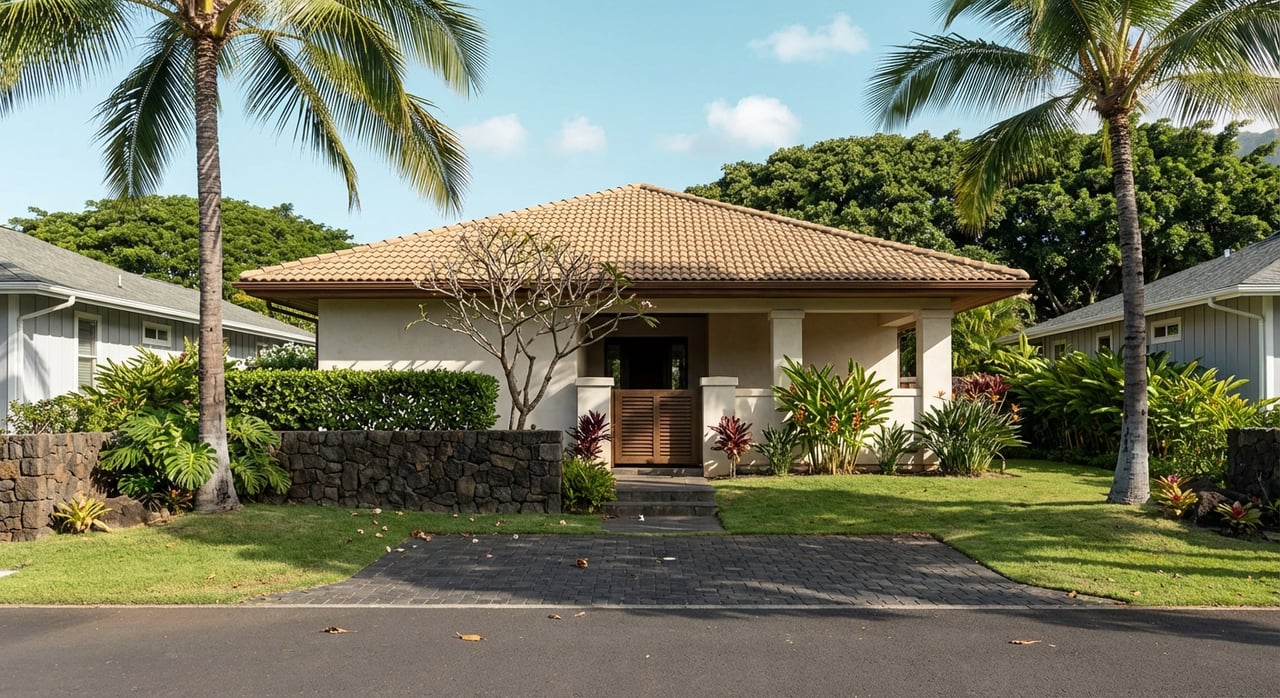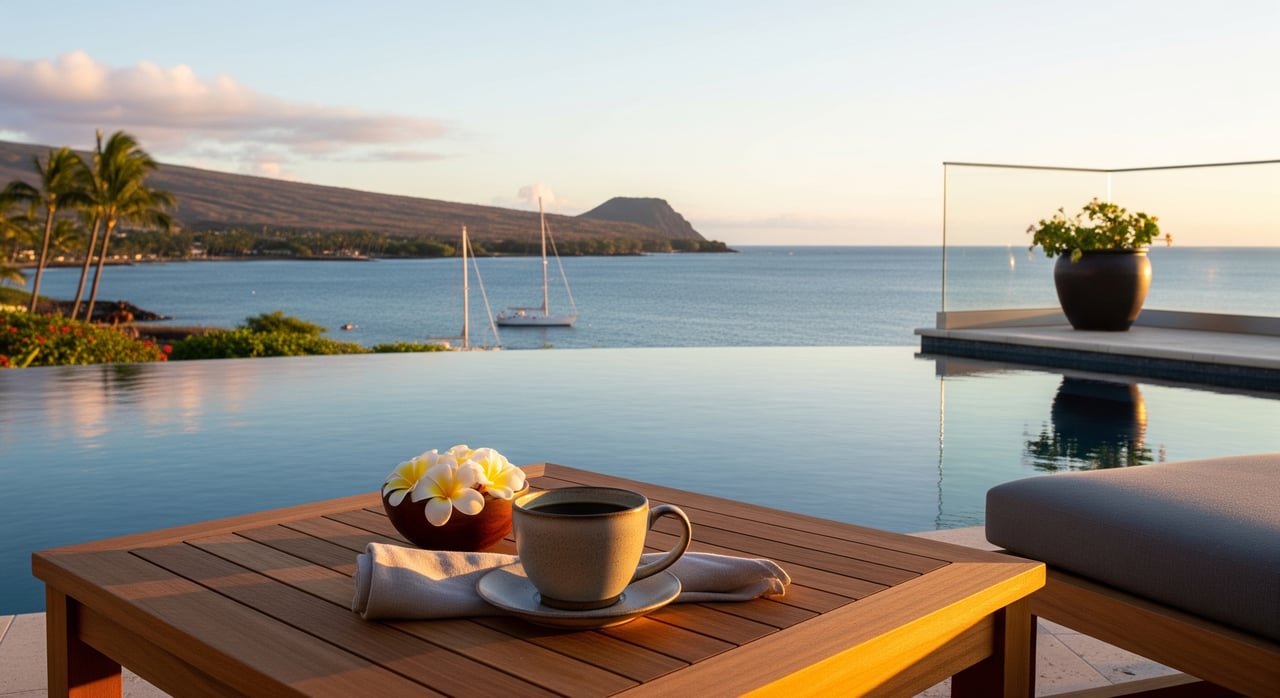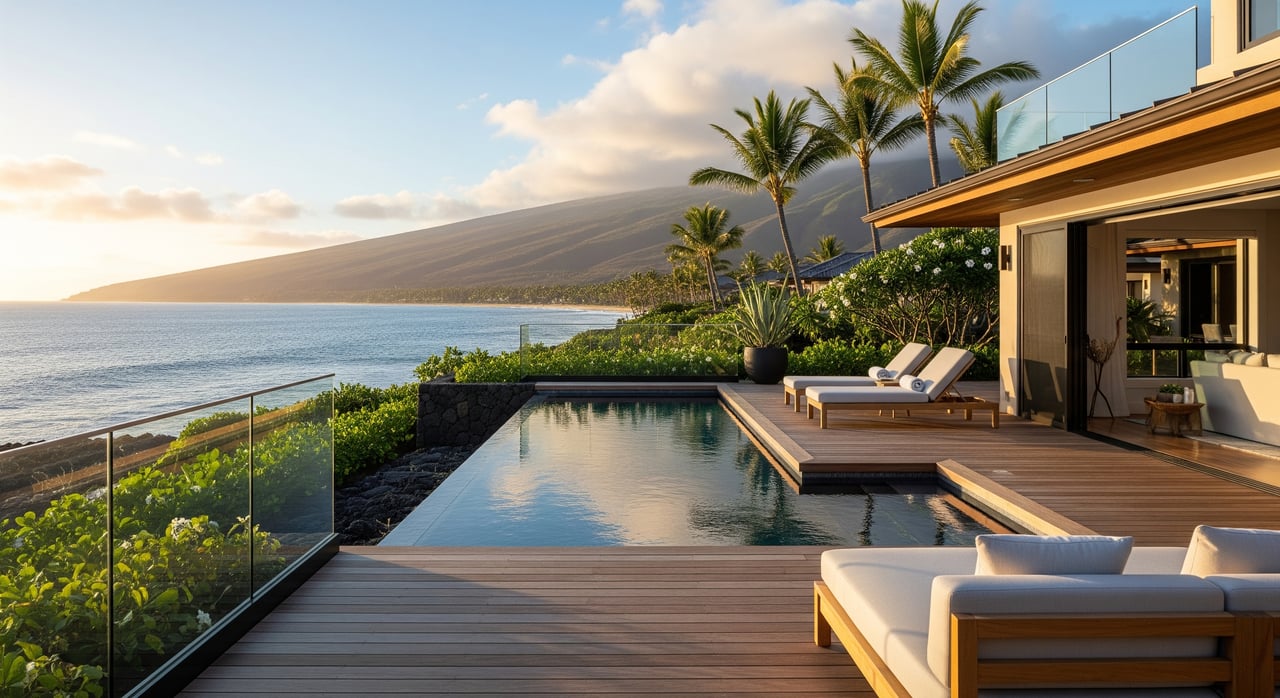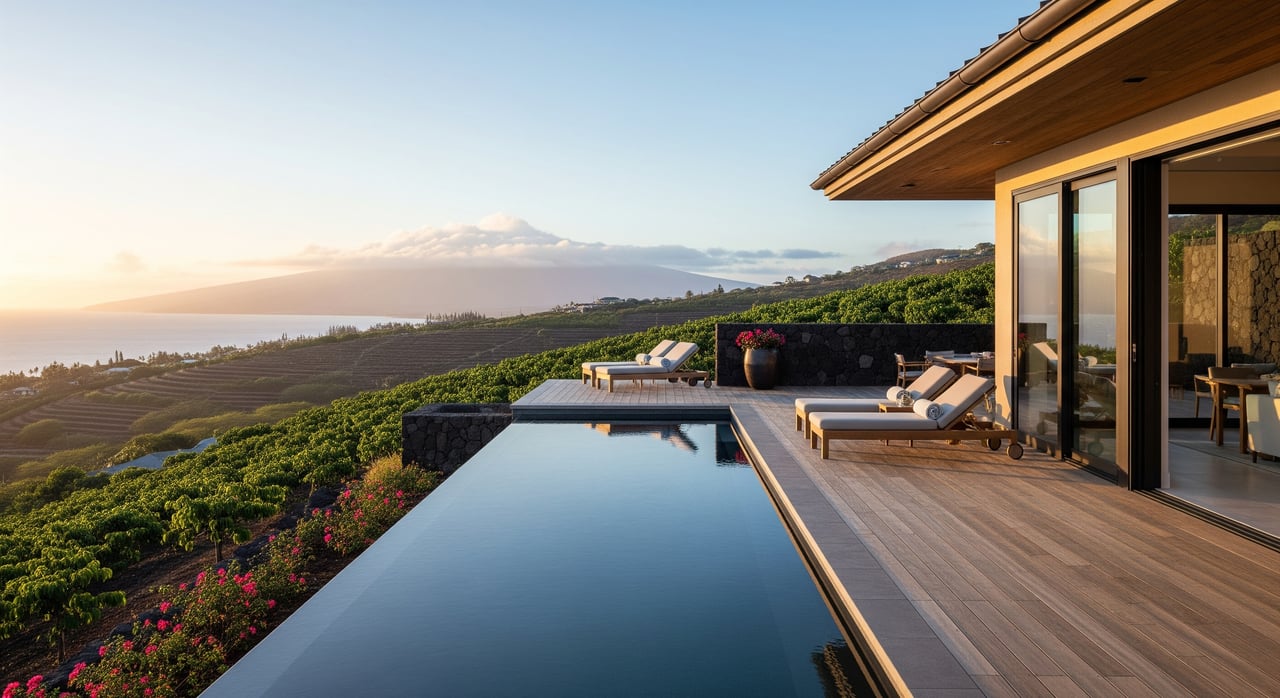
Wondering why two homes a mile apart in Kalaoa can feel like different seasons? If you are deciding where to live in West Hawai‘i, elevation is one of the biggest comfort factors you can choose. In this guide, you will learn how feet above sea level change temperature, breezes, humidity, and even your maintenance plan. You will also get practical steps to match your outdoor lifestyle with the right neighborhood and home features. Let’s dive in.
Why elevation matters in Kalaoa
Kalaoa sits on the leeward side of Hawai‘i Island, where the terrain and trades create sharp microclimates over short distances. Upslope areas are typically a bit cooler, while coastal pockets feel warmer and more humid. Local breezes shift daily, with onshore winds most afternoons and gentle drainage flows at night. This mix can make a home a few hundred feet higher feel noticeably different, indoors and out.
Temperature by the numbers
Air cools as it rises. A practical rule of thumb is about 3.5 to 3.6 degrees Fahrenheit cooler per 1,000 feet of elevation. In Kalaoa, that means moving upslope a few hundred feet can trim a degree or two off daytime highs and bring cooler, drier nights. The exact change varies with clouds, wind, and humidity, but you will feel it.
Humidity and comfort
Lower elevations often feel more humid and cool more slowly at night. As you go higher, absolute humidity tends to drop and nights feel drier. That shift can improve sleep and reduce the need for heavy air conditioning even when the daytime difference is modest. Shade and airflow still matter at every elevation.
Breezes and airflow
Coastal and exposed ridgelines usually get stronger, steadier tradewinds and sea-breeze cooling. Sheltered pockets behind lava flows or thick vegetation can be much calmer, which affects natural ventilation. During the day, upslope breezes add lift and cooling; at night, gentle downslope flows can move cooler air through your lanai and windows.
Clouds, fog, and brief showers
Kalaoa is sunnier and drier than windward sides of the island, but upslope faces can see more frequent morning clouds, fog, or brief showers. These effects increase with elevation in certain conditions and can soften afternoon heat. Expect quick changes and micro-scale differences from lot to lot.
Sun, UV, and exposure
Higher elevations often experience slightly stronger solar and UV exposure. At the coast, reflective glare from the ocean can also increase daylight intensity. Thoughtful shade, overhangs, and UV-tolerant materials are smart at any height.
Air quality and vog
Vog and dust vary with wind direction and volcanic activity. Elevation can change exposure depending on whether winds are aloft or at the surface. Always check current advisories when conditions shift.
Elevation bands and lifestyle fit
These bands are practical guides. Transitions are gradual and local terrain can create exceptions on the same street.
Coastal band: sea level to low hundreds
- Experience: warmest temperatures, higher humidity, and reliable afternoon sea breezes.
- Outdoor living: great for all-day sun, beach access, and evening gatherings; plan for shade and ventilation.
- Maintenance: highest salt exposure and corrosion risk, faster wear on exterior finishes, and more frequent repainting or metal replacement.
- Energy: cooling loads can be higher on still, hot days.
Lower to mid-slope: a few hundred to about 1,000 feet
- Experience: a bit cooler than the coast, often with good tradewind ventilation and occasional morning cloud.
- Outdoor living: comfortable mornings and evenings make lanai life easy year-round.
- Maintenance: reduced salt exposure; plan for wind-driven debris and occasional heavier showers.
- Landscaping: more plant choices thrive with moderate water needs.
Upper slope: several hundred to above 1,000 feet
- Experience: cooler nights, lower humidity, and more frequent cloud or brief showers in some exposures; views often expand with elevation.
- Outdoor living: more temperate for activities and gardening, with fewer mosquito issues in many spots.
- Maintenance: less salt corrosion, but roofs and structures should handle more frequent wetting in cloud-prone zones.
- Energy: lower cooling needs and strong potential for passive ventilation; heating is rarely needed.
Home design and maintenance tips
Ventilation and shade first
Orient living spaces and lanais to catch the prevailing trades, with options to moderate wind using screens and sliding doors. Pair cross-ventilation with ceiling fans for steady comfort. Use deep eaves, pergolas, or shade trees to reduce solar gain.
Materials for coastal durability
Near the coast, choose corrosion-resistant materials like stainless or marine-grade metals, anodized aluminum, and sealed wood finishes. Specify UV-tolerant exterior materials. Plan a regular exterior rinse and inspection routine for fasteners, railings, and HVAC fins.
Roofs, gutters, and water shedding
Size roofs, gutters, and flashings for local wind and rain intensity. Keep valleys and gutters clean to prevent mold and mildew, especially in cloud-prone spots. Make maintenance access easy so routine cleaning gets done.
Landscaping and water use
At the coast, xeriscaping and native or drought-tolerant plants can cut irrigation needs. Mid and upper slopes can support a wider range of tropical ornamentals and edibles, but check soil depth and drainage over lava substrates. Rainwater catchment is a viable option in many areas when designed and maintained to local health standards.
Foundations, soils, and systems
Lots on recent lava flows or thin soils benefit from geotechnical review. Septic feasibility varies, so verify permits and percolation early in due diligence. Right-size HVAC for the site’s airflow and humidity; many breezy homes do well with fans and strategic window placement.
Energy at elevation
Solar performs well across Kalaoa’s elevations. Well-exposed ridgelines can experience consistent trades that may support small-scale wind systems where permitted. Confirm codes and incentives before you design.
Hazards and insurance basics
Coastal areas carry more flood and surge risk, while higher ground usually reduces that exposure. The island has lava flow hazard zones that can affect insurance, financing, and resale, so check the parcel’s classification. Track vog advisories and local drainage patterns when you assess day-to-day air quality and stormwater.
How to choose your ideal elevation
Step 1: Rank your comfort priorities
Decide what matters most: ocean access, cooler nights, breeze, gardening potential, or lower maintenance. Your top two will guide your search more than anything else.
Step 2: Match bands to your lifestyle
- Love warm water and sunset dips? Start near the coastal band and prioritize shade and corrosion-resistant finishes.
- Want cooler evenings and lanai dinners without heavy AC? Focus on lower to mid-slope neighborhoods.
- Prefer temperate days for activity and gardening? Explore upper-slope pockets with good airflow and views.
Step 3: Field test at different times
Visit homes in early morning, mid-afternoon, and evening. Note temperature, breeze, cloud cover, and how outdoor areas feel at each time. Bring a simple thermometer and humidity sensor if you have one.
Step 4: Align home features
Look for window placement that supports cross-ventilation, deep overhangs for shade, and durable exterior materials. Confirm water source, septic permits, and maintenance history. Ask neighbors about seasonal wind patterns and cloud cover.
Buyer and inspector checklist
- Visit three times in a day to feel diurnal changes.
- Ask neighbors about typical winds, cloud cover, and seasonality.
- Check orientation: which sides catch the prevailing trades and sun.
- Inspect metals and fasteners for salt corrosion if near the coast.
- Request AC usage, repainting cycles, and roof maintenance history.
- Verify water source and pressure. Confirm septic or cesspool permits and percolation details.
- Order geotechnical review for recent lava or thin soils; check for subsidence or perched groundwater.
- Review county flood and tsunami maps, plus lava hazard and vog advisories.
- Confirm permits for solar, wind, lanais, and water catchment.
- Consider an energy or environmental audit to plan long-term costs.
Local guidance that simplifies decisions
Every parcel in Kalaoa has its own pattern of sun, wind, and moisture. The right match depends on how you live and the details of the lot and home. If you want a calm, informed process, we can help you narrow neighborhoods, coordinate inspections, and weigh tradeoffs like comfort, maintenance, and resale. When you are ready, connect with Team Kuessner Davis to schedule a consultation and start your Kalaoa search with confidence.
FAQs
How much cooler is Kalaoa at 1,000 feet?
- A practical guide is about 3.5 to 3.6 degrees Fahrenheit cooler per 1,000 feet, with local conditions sometimes shifting the exact difference.
Are tradewinds reliable for cooling in Kalaoa?
- Afternoon sea breezes and tradewinds are common and help with natural ventilation, but sheltered pockets can be calmer, so test each property at different times.
Does elevation reduce salt corrosion on homes?
- Yes, salt exposure and corrosion risk are highest near the coast and generally decrease upslope, though wind exposure still matters for maintenance.
Will I need air conditioning at higher elevations?
- Many upper-slope homes stay comfortable with shade, cross-ventilation, and fans, but personal comfort and site exposure determine whether supplemental AC is helpful.
What should I ask a home inspector about elevation impacts?
- Ask about roof and gutter sizing for local rain and wind, signs of salt corrosion, ventilation effectiveness, septic feasibility, and any moisture or drainage issues.
Is rainwater catchment common and safe in Kalaoa?
- Rainwater catchment is viable in many areas when designed, permitted, and maintained to local health standards, including appropriate storage and filtration.