Torn between hearing the waves at night and breathing cool upland air after sunset? You are not alone. Many Kona buyers weigh oceanfront ease against mauka privacy and cooler temperatures. In this guide, you will compare climate, hazards, maintenance, utilities, and ownership details in Kailua-Kona so you can choose with confidence. Let’s dive in.
Oceanfront living at a glance
Daily rhythm and access
If you want to walk to beaches, restaurants, and the Aliʻi Drive corridor, oceanfront and near-ocean areas deliver. You can be close to services, clinics, and grocery options, which simplifies errands and appointments. For part-time residents, this proximity can reduce car time and make spontaneous sunset swims part of your day.
Microclimate and coastal hazards
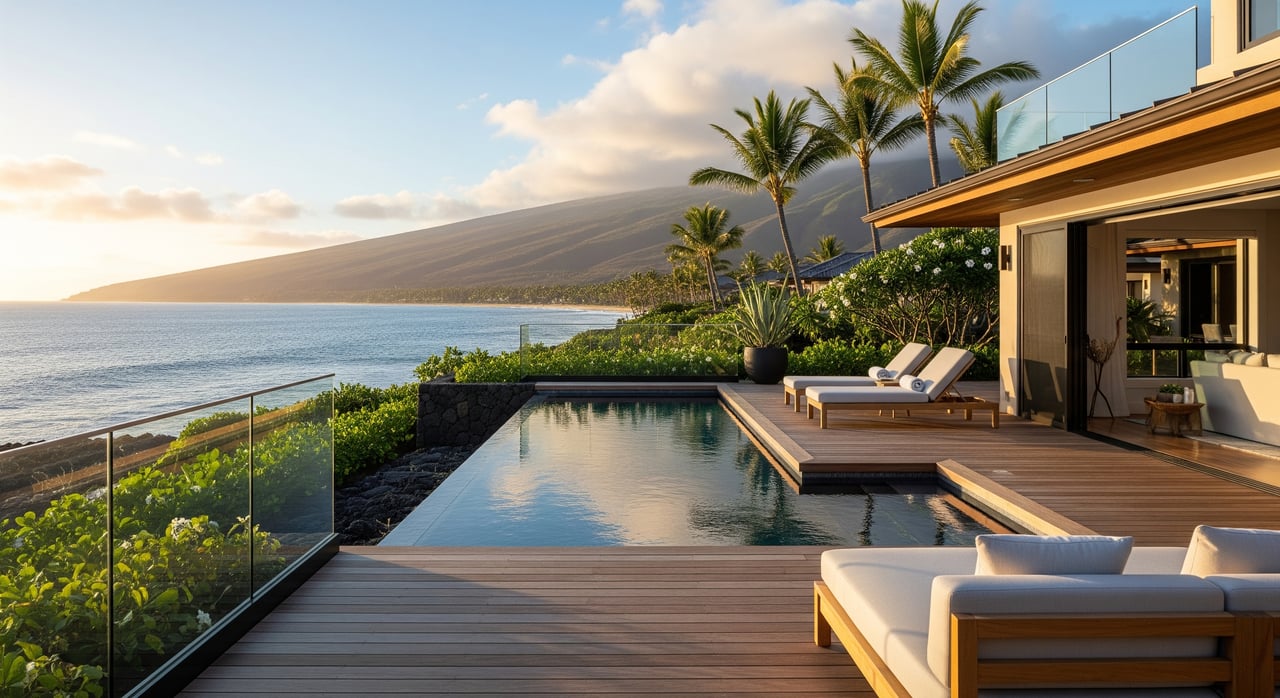
Oceanfront areas are generally warmer and sunnier with steady marine breezes. The shore brings unique risks that you should factor into your plan. These include coastal erosion, storm surge, king-tide flooding, and tsunami exposure in evacuation planning areas. Long-term sea-level rise is also a consideration, so reviewing current flood and hazard maps is an important step during due diligence.
Maintenance and recurring costs
Salt spray, humidity, and UV exposure speed up wear on exterior paint, metal, and mechanical systems. Expect more frequent painting, faster corrosion on railings and hardware, and extra attention to sliding doors, tracks, and screens. Roofing materials benefit from marine-grade specifications and regular inspections. Landscaping near the ocean may be limited to salt-tolerant species. If a seawall exists, its access and condition should be part of your inspection list.
Utilities and services
Much of central Kailua-Kona is served by sewer, which can simplify ownership. Power and broadband are commonly available in developed coastal zones, but always confirm by address. Proximity to emergency care and clinics is typically better in town and along the coastal corridor.
Ownership and permits
Shoreline properties intersect with specific regulations. Shoreline setbacks and certifications, Special Management Area review for substantial work, and public access considerations are part of coastal ownership. Insurance needs may be higher, and flood policies can be required by lenders for properties in mapped flood zones. Title can be fee simple or leasehold in some developments, so review terms carefully.
Best fit profile
You will likely enjoy oceanfront if you value walkability, daily beach access, and a lock-and-go lifestyle. Be ready for a proactive exterior maintenance plan, coastal permitting steps for improvements, and careful insurance planning.
Mauka living at a glance
Cooler air and mountain feel
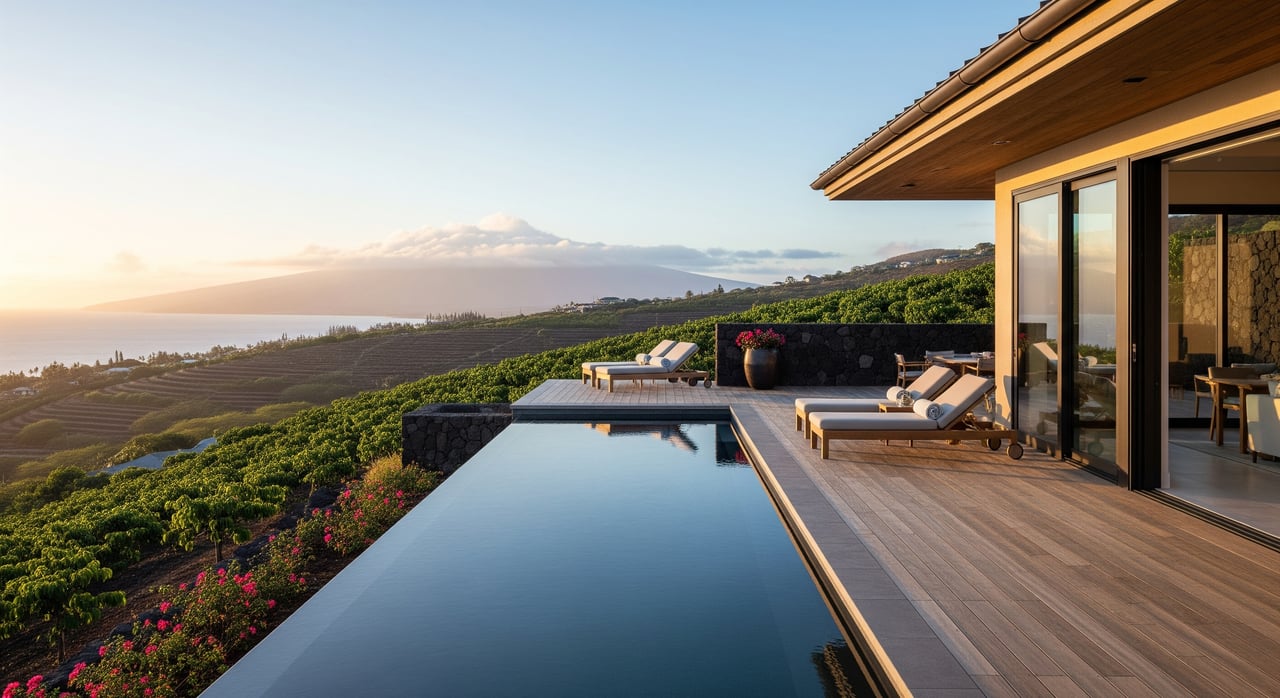
Mauka neighborhoods rise upslope toward Hualālai and Mauna Loa. Elevation brings cooler evenings, more cloud cover, and more frequent showers compared to the shoreline. Many buyers describe a noticeable comfort difference at night and appreciate the change in humidity.
Space, privacy, and views
Upland parcels range from suburban lots to rural acreage. You may find larger yards, mountain and ocean views, and a quieter setting away from visitor traffic. Drive times vary by address and road conditions, so test your commute to town, schools, and favorite beaches.
Maintenance and land care
In wetter mauka zones, vegetation grows fast, which means regular pruning, invasive species control, and green-waste planning. Engineered drainage, retaining walls, and erosion control are common on sloped lots. Many mauka and rural parcels use septic systems, so budget for pumping and inspections, and confirm soil suitability. Foundation design often adapts to uneven or rocky terrain.
Utilities and connectivity
Water service can vary. Some parcels connect to county water, while others rely on catchment or wells. Many mauka homes use septic rather than sewer. Electrical service is generally available, but remote lots may need extended hookups or solar with batteries. Cell coverage and broadband speed can change over short distances, so confirm at the property level.
Hazards and site factors
Higher rainfall increases drainage demands and runoff management. Some areas face seasonal wildfire risk where dry grasslands meet brush. Portions of the island fall within mapped lava hazard zones. Steeper slopes can present localized geotechnical concerns. For higher risk parcels, a site-specific review by qualified professionals is wise.
Best fit profile
You will likely enjoy mauka if you want cooler nights, privacy, and room for gardens or orchards. Plan for more landscaping and drainage care, variable utilities, and a drive to reach beaches and town services.
Cost and insurance considerations
Recurring expenses to expect
- Oceanfront: more frequent exterior coatings and corrosion control, roof inspections, marine-grade hardware, salt-tolerant landscaping. Flood or special hazard insurance may be required or advisable depending on location.
- Mauka: regular yard work and vegetation management, septic pumping and inspections, drainage improvements, potential private power or water solutions in remote areas.
Insurance and lending
Coastal properties can face higher premiums and limited options for certain coverages. Lenders may require flood insurance in mapped zones and can set additional conditions for higher hazard classifications. Leasehold properties can be evaluated differently by some lenders. For both oceanfront and mauka, contact insurance brokers early to understand availability, estimated premiums, and exclusions.
Short-term rentals and zoning
Hawaii County rules for short-term rentals are county-specific and have evolved over time. Before you underwrite rental income, verify current zoning, permitting requirements, and tax registrations. Coastal work often requires additional reviews within the Special Management Area. Always confirm what is allowed on a specific parcel before making plans.
Due diligence checklist for Kona buyers
- Confirm fee simple or leasehold title and review lease terms if applicable.
- Pull current flood, tsunami evacuation, and lava hazard maps for the parcel.
- Verify water source and sewer or septic. Check for any water meter waitlists or infrastructure fees.
- Obtain insurance quotes early for homeowners, wind, and flood if needed.
- Commission a full home inspection. Include corrosion and roof checks for oceanfront, or drainage, slope stability, and septic inspections for mauka.
- Review shoreline setback, SMA requirements, and public access rules for coastal parcels.
- Confirm short-term rental eligibility and any county tax obligations if you plan to rent.
- Evaluate access roads, drive times, and proximity to healthcare, groceries, and services.
How to choose your fit
- Prioritize climate: Do you prefer warm, breezy ocean days or cooler mauka evenings and more frequent showers?
- Weigh maintenance: Will you commit to marine-grade upkeep or to landscaping and drainage care upslope?
- Check your routines: Do you want to walk to beaches and restaurants or trade that for privacy and space?
- Model the numbers: Include insurance quotes, expected maintenance, utilities, and any rental assumptions. Use conservative scenarios.
- Think long term: Consider coastal erosion and sea-level trends at the shore and slope stability, drainage, and lava hazard upslope.
If you want help mapping these factors to actual neighborhoods and available properties, connect with a local team that handles both oceanfront and upland transactions.
Your next step
Choosing between oceanfront and mauka in Kailua-Kona comes down to daily comfort, risk tolerance, and total cost of ownership. With local expertise and a thoughtful due diligence plan, you can find a property that fits the way you want to live. For tailored guidance, introductions to trusted inspectors and insurers, and concierge-level coordination from offer to closing, reach out to Team Kuessner Davis. We will help you compare options, anticipate costs, and move forward with clarity.
FAQs
What is the difference between oceanfront and mauka living in Kailua-Kona?
- Oceanfront offers walkability, beach access, and warmer marine conditions, while mauka brings cooler evenings, more rainfall, privacy, and a drive to town services.
Are maintenance costs higher for oceanfront homes in Kona?
- Oceanfront typically requires more frequent exterior coatings, corrosion control, and marine-grade materials, while mauka often has higher landscaping, drainage, and septic care.
How do hazards differ between oceanfront and mauka properties in Kona?
- Oceanfront faces erosion, storm surge, king tides, and tsunami exposure, while mauka requires attention to drainage, slope stability, wildfire in some areas, and lava hazard classifications.
Can I operate a short-term rental in Kailua-Kona, oceanfront or mauka?
- Possibly, but it depends on county zoning and permits; always verify current Hawaii County rules and tax requirements before assuming rental income.
What utilities are common for mauka homes in Kailua-Kona?
- Many mauka parcels use septic and may rely on county water, catchment, or wells; power and broadband vary by address, so confirm at the property.
Is oceanfront or mauka better for resale in Kona?
- Both have active markets; oceanfront often commands a premium with tighter insurance and permitting factors, while mauka value depends on views, privacy, access, and infrastructure.