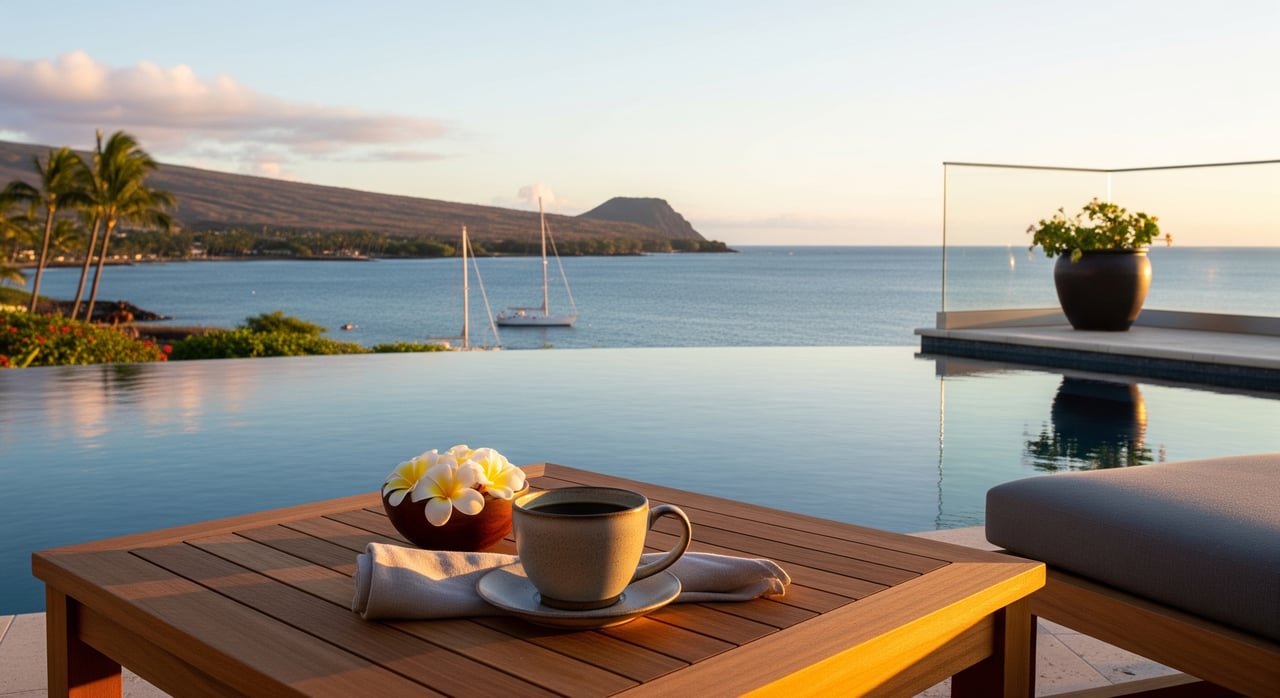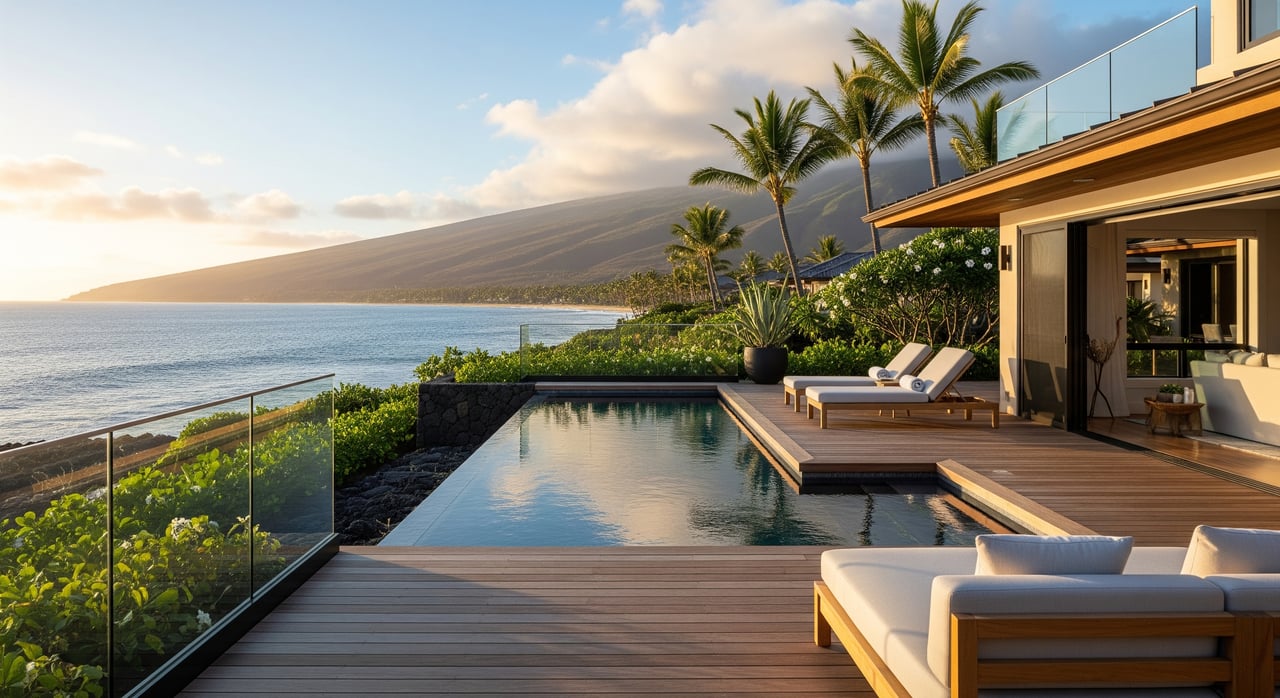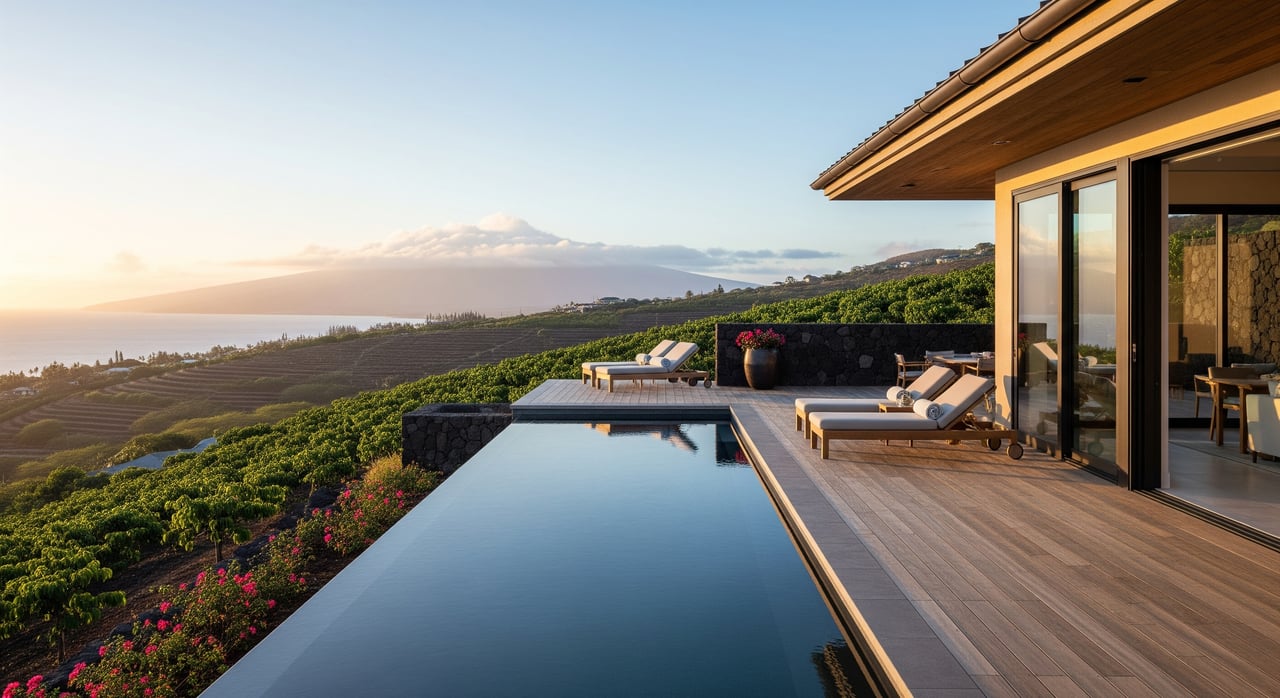
Dreaming of slow mornings on a lanai, the smell of fresh‑roasted beans in the air, and afternoons snorkeling in clear water? If that sounds like your pace, Captain Cook in South Kona could be a match. You’ll find rural, coffee‑belt living with big ocean views, access to iconic bays, and a tight day‑to‑day routine that favors local markets over big box stores. In this guide, you’ll learn what daily life feels like, how long it takes to get around, where to find services, what homes are like, and the practical details to consider before you move. Let’s dive in.
Captain Cook at a glance
Captain Cook is a census‑designated place on Hawai‘i Island’s west side, set along the Māmalahoa Highway in South Kona. It is home to about 3,253 residents, based on the 2020 census figures for the CDP. You’ll notice a quieter rhythm than resort and downtown zones, with neighborhoods tucked into the slopes above the coast and framed by views of Kealakekua Bay and the Kona shoreline. The village feel is real: small shops and farm stands, familiar faces, and a landscape shaped by agriculture.
Location and elevation
Most homes sit between roughly 800 and 2,000 feet above sea level, which places you in the famed Kona coffee belt. This elevation brings a bit more breeze and regular afternoon clouds, with blue‑sky mornings that show off those ocean views. Highway 11, also called Māmalahoa Highway, runs through Captain Cook and connects you north toward Kailua‑Kona and south toward Ka‘ū communities. Route 160 drops toward Kealakekua Bay for ocean access and historical sites.
- Population source: U.S. Census 2020 for the Captain Cook CDP.
- Geography and elevation reference: the Captain Cook page that covers setting and highway connections.
U.S. Census table for Captain Cook
Captain Cook overview with elevation and highway info
Drive times and airport access
From most addresses in Captain Cook, plan roughly 20 to 30 minutes to reach downtown Kailua‑Kona, depending on where you start and traffic conditions. Kona International Airport typically runs about 30 to 40 minutes by car; public bus options exist but take longer and run less frequently. For early flights, give yourself extra time for winding roads and potential slow‑downs near village centers. When in doubt, use live directions before you go.
Typical travel time to KOA by car or bus
Daily life: coffee belt living and ocean time
Coffee country, up close
Captain Cook sits in the heart of Kona coffee country, and you feel it every day. Many properties include coffee trees, macadamia groves, and working farm elements, so your morning soundtrack might include birds and the occasional rooster. You can tour and taste your way through local farms, including the educational and hands‑on Kona Coffee Living History Farm. Expect that rural character to shape your routine, from roadside produce to seasonal harvesting activity nearby.
Kealakekua Bay and coastal favorites
Kealakekua Bay is a Marine Life Conservation District with some of the island’s clearest snorkeling and diving. Shore access is limited and regulated, and the monument area is reachable only by boat or a steep hike. Many residents and visitors choose guided boat or kayak tours and follow permit rules to protect the bay. Always check conditions and remember that some entries are rocky with no lifeguards.
Rules and conservation details for Kealakekua Bay
Just south, Pu‘uhonua o Hōnaunau National Historical Park anchors one of Hawaii’s most important cultural sites. Adjacent to the park boundary is the popular “Two Step” snorkel entry, where you can often find calm, clear water. The National Park Service reminds visitors to respect cultural areas and be mindful that snorkeling locations differ from protected cultural zones. Plan ahead for limited parking and no lifeguards.
NPS guidance for snorkeling near Pu‘uhonua o Hōnaunau
Groceries, mail, and everyday errands
Day to day, you’ll rely on a mix of small local markets, farm stands, and convenience stores in Captain Cook. For larger weekly grocery runs, most residents head north to Kealakekua or Kailua‑Kona for full‑service supermarkets. Hours trend earlier and there are fewer late‑night options compared to town. A local USPS post office in the village serves ZIP 96704, which is handy for packages and mail holds.
Healthcare and emergency planning
Your closest full‑service hospital is Kona Community Hospital in the Kealakekua area. It is the primary acute‑care facility for West Hawai‘i; for specialized or tertiary care, you may need to travel to larger centers or to O‘ahu. Keep an eye on county emergency alerts and know your tsunami evacuation routes if you spend time near the coast. It pays to have a simple family plan for storm days or road closures.
Kona Community Hospital overview
Getting around without a car
Public transit is available but limited. Hawai‘i County’s Hele‑On bus serves South Kona, including routes connecting Captain Cook, Hōnaunau, and Kona Commons. Schedules are most useful for occasional rides, appointments, or students; many households remain car‑dependent for daily errands. Build a few extra minutes into your drive for winding highway segments and school‑day traffic.
Hele‑On Route 204 South Kona schedule
Internet, utilities, and island‑home basics
Broadband can vary street by street. Large parts of Captain Cook have cable or DSL, while fiber is not yet universal; some rural parcels rely on fixed wireless or satellite. If you work remotely, check address‑level options before you write an offer. Providers and coverage tools can help you confirm what speeds you can expect.
General patterns for internet availability in Captain Cook
Water and waste systems also differ by property. Many homes connect to county water where available, while others use rain catchment systems and septic tanks on rural lots. That is normal for the area and can influence maintenance budgets and inspection checklists. Plan to evaluate water quality, storage capacity, roof and gutter condition for catchment, and age and permitting for septic.
Homes and land in Captain Cook
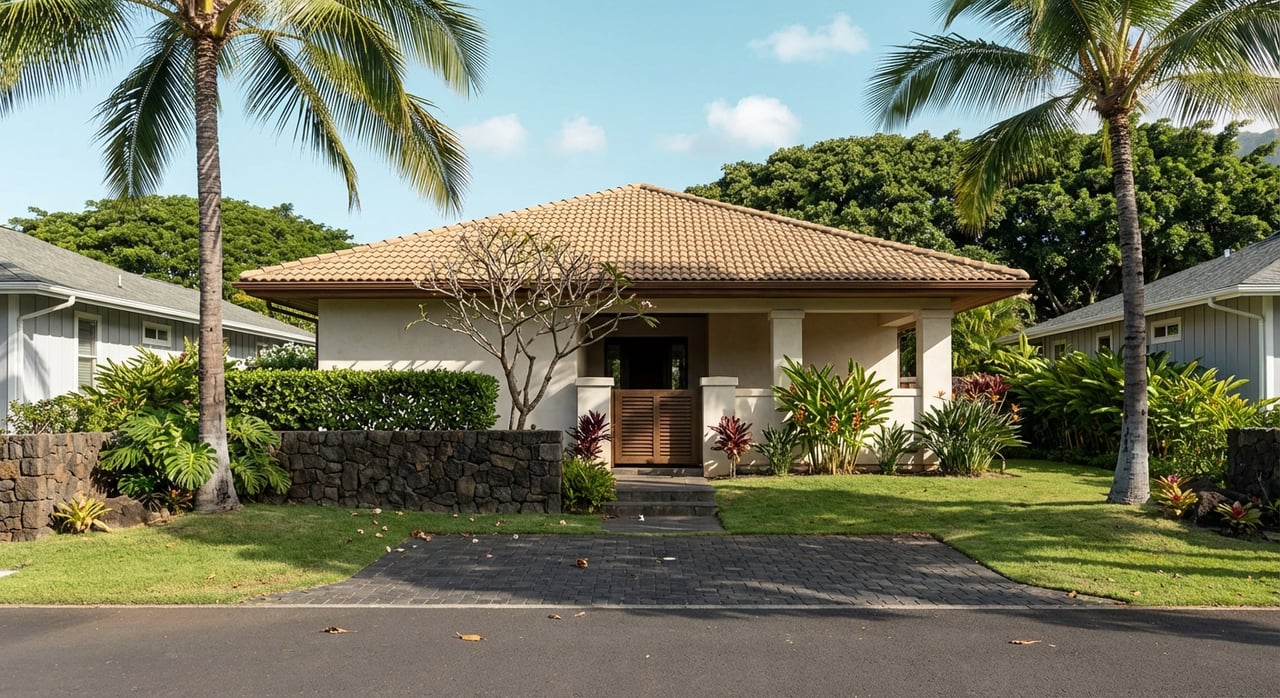
Housing leans single‑family, with ranch‑style and plantation‑era cottages, mid‑century homes, and newer ocean‑view estates. Many properties sit on larger lots and incorporate coffee or mixed agricultural use, which adds privacy and a farm feel. Outdoor living is a highlight, with lanais, gardens, and views often taking center stage over sheer interior square footage. If you want elbow room, a small orchard, and a place to watch sunsets, this area delivers.
Zoning in South Kona includes significant agricultural designations. Before you buy, confirm any agricultural dedications, permitted uses, and division rules relevant to your parcel. A thorough review of county records, well‑scoped inspections, and clarity on utilities will set you up for a low‑stress closing. If a property is leasehold rather than fee simple, make sure you understand lease terms and financing implications.
Hazards, insurance, and due diligence
Parts of South Kona sit within U.S. Geological Survey lava‑flow hazard zones, which range from 1 to 9 across Hawai‘i Island. Captain Cook addresses can fall in Zones 1 to 3 depending on exact location, and that can affect insurance, lending, and long‑term planning. Ask your agent to help you identify a parcel’s zone early, then factor it into your risk profile and coverage needs. Separately, review coastal flood and tsunami information if you are near the shoreline and know your evacuation route.
USGS overview of lava‑flow hazard zones
Who thrives in Captain Cook?
You’ll likely love Captain Cook if you:
- Prefer rural, view‑oriented living with space for gardens or small‑scale agriculture.
- Want regular access to top‑tier snorkeling and kayaking along the South Kona coast.
- Enjoy small‑town routines, local markets, and a quieter pace than resort areas.
- Value indoor‑outdoor living, sunsets, and a strong sense of place.
You may prefer another Kona neighborhood if you:
- Want to be within a few minutes of large supermarkets, nightlife, and resort amenities.
- Need guaranteed high‑speed fiber at a specific address without fallback solutions.
- Prefer flatter, denser, or more walkable environments with many dining options.
How a local team helps
Buying in South Kona is about more than finding a great lanai view. It pays to verify utilities, confirm zoning, check lava zone and coastal considerations, and schedule the right inspections for catchment and septic. If you are relocating or buying from the mainland, vendor access and careful logistics make the process smoother. For tailored guidance and end‑to‑end support, connect with Team Kuessner Davis to plan your move with confidence.
FAQs
What is Captain Cook’s population and setting?
- Captain Cook has about 3,253 residents and sits along Māmalahoa Highway in South Kona, with neighborhoods at roughly 800 to 2,000 feet elevation.
How long is the drive to Kailua‑Kona and the airport?
- Plan about 20 to 30 minutes to downtown Kailua‑Kona and around 30 to 40 minutes to Kona International Airport, depending on conditions.
Can you swim or snorkel at Kealakekua Bay?
- Yes, but access is managed and shore entries are limited; many people use guided tours, follow permit rules, and choose calm days since there are no lifeguards at many spots.
What kinds of homes are common in Captain Cook?
- You’ll find single‑family homes ranging from plantation‑era cottages to mid‑century and ocean‑view estates, often on larger lots with coffee or mixed agricultural use.
How are internet and cell service in Captain Cook?
- Service varies by street; many areas have cable or DSL, while some rural lots rely on fixed wireless or satellite, so check address‑level availability before you buy.
What should I know about utilities like water and sewer?
- County water is available in parts of Captain Cook, while many rural homes use rain catchment and septic systems, which require regular inspection and maintenance.
Is there public transit in South Kona?
- Hele‑On operates limited bus service that connects Captain Cook to nearby communities; it works best for occasional trips rather than daily commuting.