Getting your Kaiminani home ready to sell can feel overwhelming, especially when you are trying to balance repairs, paperwork, and timing all at once. The good news is that a smart prep plan can make the process much smoother and help your home make a stronger first impression online and in person. If you want a practical roadmap for selling in the 96740 area, this guide walks you through each step in the right order. Let’s dive in.
Start With a Clear Timeline
If you want a smoother listing launch, give yourself time to prepare before your home goes live. For most sellers, the best approach is to work backward from your target listing date and organize tasks into three phases: 30 to 45 days before listing, 1 to 2 weeks before listing, and listing week.
That structure matters because buyers often see your home online before they ever step inside. According to the National Association of Realtors 2025 generational trends report, 43% of buyers first looked online for properties for sale, 69% used a mobile or tablet search device, and 37% used an online video site. In other words, your preparation work supports both your in-person showings and your digital first impression.
30 to 45 Days Before Listing
This early stage is where you create the foundation for everything that follows. Your main goals are to simplify the home, finish visible work, and start gathering documents.
Declutter and Depersonalize
Start by removing anything that makes rooms feel crowded or overly personal. Extra furniture, packed shelves, countertop clutter, and many personal photos can distract buyers from the space itself.
This step is more important than it may seem. In the NAR 2025 Profile of Home Staging, 83% of buyers’ agents said staging made it easier for buyers to visualize a property as a future home. When your spaces feel open and neutral, buyers can focus on layout, light, and function.
Focus on Key Rooms First
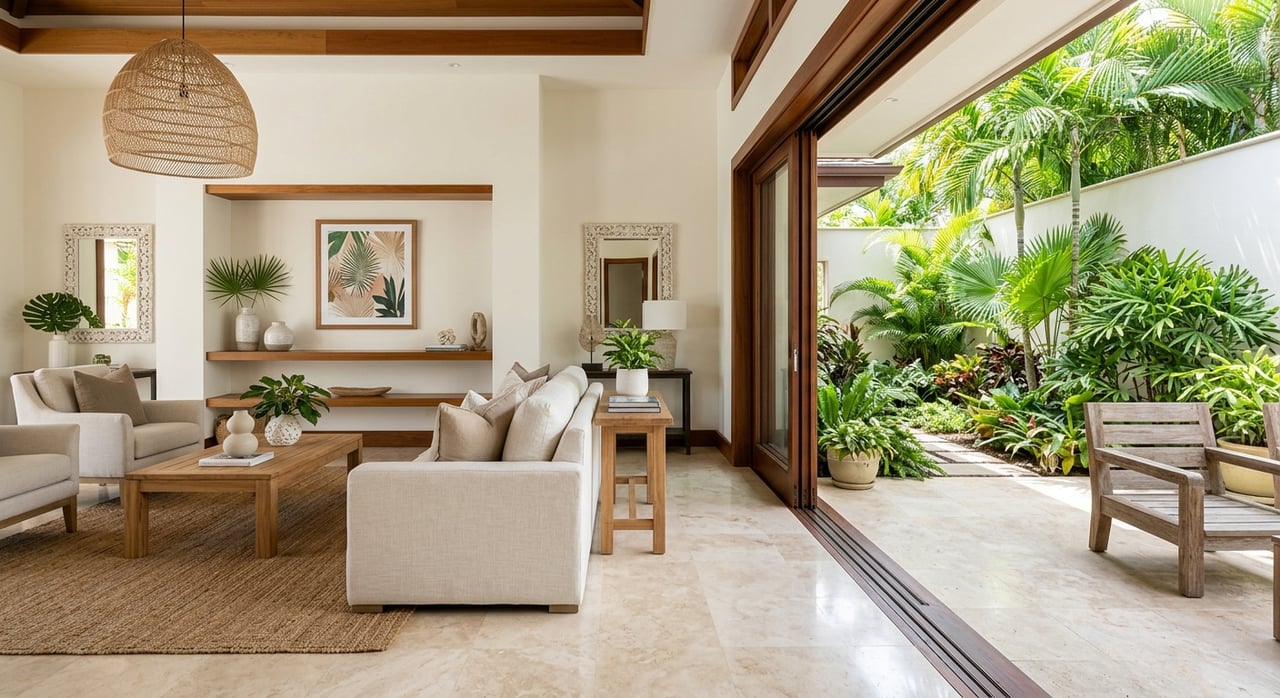
If you are deciding where to spend your time and money, start with the areas buyers notice most. NAR found that the top rooms to stage were the living room, primary bedroom, and kitchen.
For many Kaiminani homes, outdoor areas also deserve attention. Since NOAA climate normals for nearby Kailua Kona Keāhole Airport show a mean daily maximum temperature of 84.2°F and annual precipitation of 9.87 inches, outdoor living spaces, hardscaping, and exterior presentation are likely to stand out in photos and showings.
Finish Visible Repairs
Before photos are scheduled, take care of obvious issues that may pull attention away from your home. Think chipped paint, loose hardware, burned-out light bulbs, damaged screens, or minor cosmetic wear.
These details show up more clearly than many sellers expect. NAR reports that photos, staging, videos, and virtual tours all play a meaningful role in how buyers evaluate a listing, so it is worth handling visible touch-ups before the cameras come out.
Gather Important Documents Early
Paperwork can slow a sale if you wait until the last minute. Start pulling together anything a buyer may need to review, especially if your property has prior improvements, recorded restrictions, or community documents.
For example, Hawaiʻi County provides access to building records through its EPIC online permit system and building resources. If you have records for major past improvements and final inspections, it is smart to locate them before listing.
1 to 2 Weeks Before Listing
Once the home is decluttered, repaired, and document-ready, you can move into presentation mode. This is the point where your property starts to look like a listing instead of a lived-in home.
Deep Clean the Home
A full deep clean should happen after repairs and before photography. Clean windows, floors, kitchens, bathrooms, fans, and outdoor entry areas so the home feels fresh and well cared for.
This step supports every showing and every marketing photo. A clean home not only looks better in person, but also reads better on mobile screens, where many buyers first encounter your listing.
Stage With Intention
Staging does not always mean a complete redesign. Sometimes it means rearranging furniture, reducing visual noise, and highlighting how each room works.
NAR’s 2025 staging report found that photos were important to 73% of buyers’ agents, traditional staging to 57%, videos to 48%, and virtual tours to 43%. That is why it helps to treat staging as part of your marketing strategy, not just a finishing touch.
Prepare Outdoor Areas
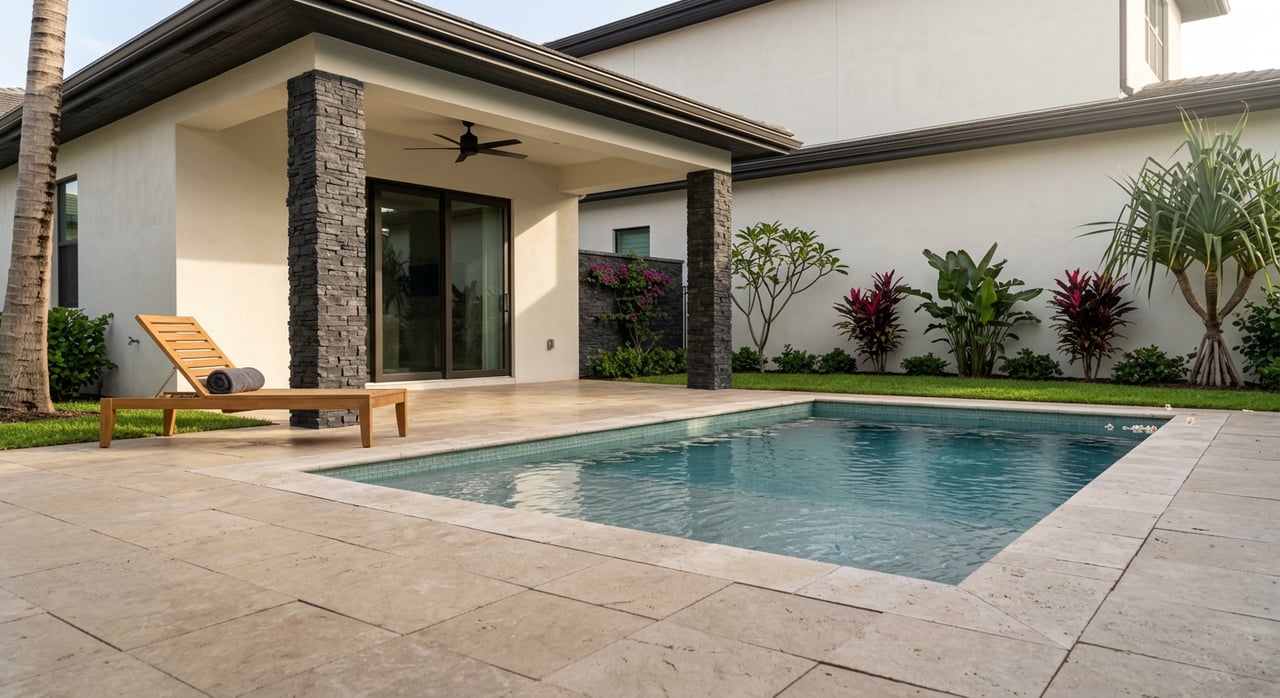
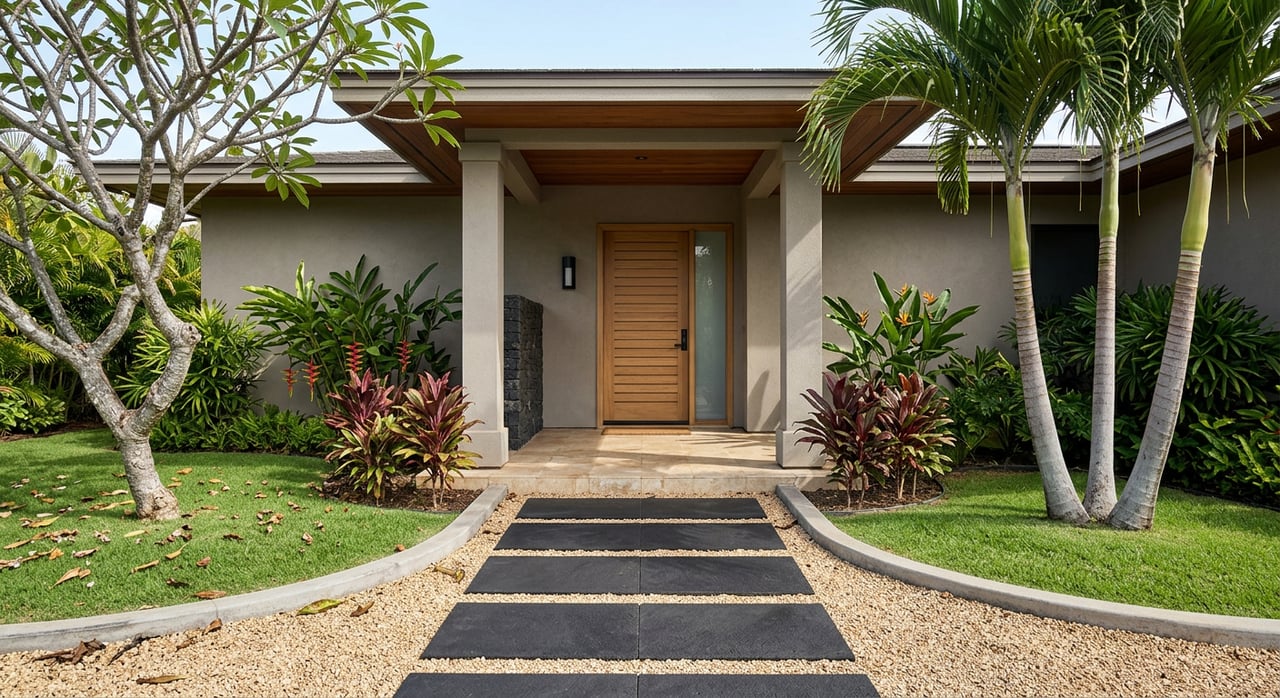
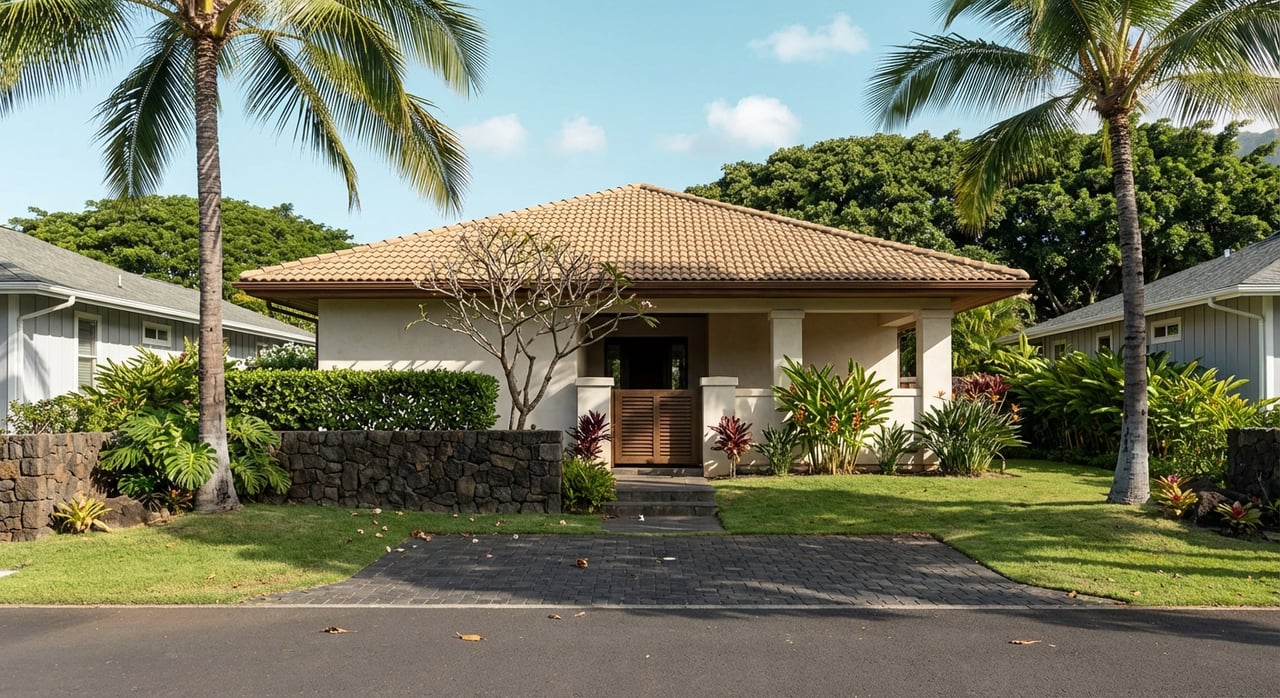
In Kaiminani, exterior presentation should be part of the main plan. Sweep walkways, refresh entry areas, trim landscaping, and make lanais, patios, and other usable outdoor spaces look clean and inviting.
NAR’s staging survey included yard and outside space among the areas buyers’ agents evaluated. If your home offers outdoor living, you want buyers to notice it right away in photos and during showings.
Schedule Professional Photography Last
Photography should happen only when the home is truly ready. If photos are taken too early, you may end up marketing a version of the home that does not reflect its best condition.
Because buyers often compare multiple properties online, strong listing media matters. NAR reports that buyers’ agents expected buyers to view a median of 8 homes in person and 20 virtually, which means your photos and digital presentation need to help your home stand out quickly.
Listing Week and Showings
Once your home goes live, consistency becomes the priority. The goal is to keep the home as show-ready as possible so every buyer sees the same polished presentation.
Keep the Home Show-Ready Daily
Try to maintain a simple daily routine during the showing period. Make beds, clear counters, tidy floors, and keep key rooms bright and clean.
This effort can pay off. In NAR’s staging report, 30% of sellers’ agents reported slight decreases in time on market when homes were staged, and 19% reported large decreases. A polished, consistent presentation can help reduce friction once buyers start comparing options.
Think Like a Remote Buyer
Some buyers may first experience your home through photos, video, or a virtual tour. That is especially relevant in Kona-area markets, where buyers may be researching from outside the immediate area.
A strong launch often works best when it is treated like a media project. Finish prep first, then present the home with clean photography, short video walkthroughs, and virtual-tour assets that help buyers evaluate the property before an in-person visit.
Support Stronger Offers
Good preparation is not just about appearance. It can also influence how confidently buyers respond to the home.
According to the NAR staging report, 17% of buyers’ agents thought staging increased the dollar value offered by 1% to 5%. While every sale is different, thoughtful preparation can support stronger buyer interest and a better negotiation position.
Don’t Overlook Hawaii Seller Disclosures
In Hawaiʻi, seller documents are a major part of the preparation process. Gathering them early can help reduce delays and give buyers a clearer picture of the property.
Understand the Required Seller Disclosure
Under Hawaiʻi Revised Statutes Chapter 508D, a seller disclosure statement is required for residential real property. The statement must be signed within six months before or within 10 calendar days after acceptance of the purchase contract, and the buyer then has 15 calendar days to review it and potentially rescind.
If a material fact changes or is discovered before recording and it substantially affects value, the seller must provide an amended disclosure statement. Under HRS 508D-13, the buyer again has 15 calendar days to review and rescind if they were not already aware of that information.
Gather HOA or Recorded Restriction Documents
If your property is subject to a recorded declaration or other use restrictions, you may need to provide governing documents such as declarations, bylaws, articles, or rules. Hawaiʻi law also allows buyers to be directed to an online location for these materials if they consent.
You can review those requirements in HRS 508D provisions for association and governing documents. For sellers in Kaiminani, the practical takeaway is simple: collect any subdivision or association documents early so they are ready before escrow starts moving.
Check for Lead-Based Paint Rules
If your home was built before 1978, federal lead-based paint rules may apply. The EPA lead-based paint disclosure rule requires sellers of most pre-1978 housing to disclose known lead-based paint and hazard information and provide the required pamphlet before sale.
This is another reason it helps to review your property file early instead of waiting until you are under contract.
A Simple Kaiminani Prep Checklist
If you want a streamlined version, here is the order that makes the most sense:
- Declutter and depersonalize the home.
- Reduce excess furniture.
- Prioritize the living room, primary bedroom, kitchen, and outdoor areas.
- Complete visible repairs and cosmetic touch-ups.
- Gather permits, improvement records, and community documents.
- Review disclosure needs, including any lead-based paint requirements.
- Deep clean the property.
- Stage the home.
- Capture professional photos, video, and virtual-tour assets.
- Keep the home show-ready once it goes live.
Selling your Kaiminani home is easier when you prepare in the right order. With the right plan, you can reduce stress, present your home more effectively, and launch with the kind of polish today’s buyers expect. If you want help coordinating the process from prep through closing, Team Kuessner Davis offers concierge-level support designed to make your sale smoother from start to finish.
FAQs
What should I do first before selling my Kaiminani home?
- Start by decluttering, depersonalizing, and removing extra furniture so rooms feel larger and buyers can focus on the space.
How far in advance should I prepare my Kaiminani home for sale?
- A good target is 30 to 45 days before listing so you have time for repairs, document gathering, cleaning, staging, and photography.
Which rooms matter most when preparing a Kaiminani home for sale?
- Based on NAR staging data, the living room, primary bedroom, and kitchen are top priorities, and outdoor areas also matter for presentation.
What disclosures are required when selling a home in Hawaii?
- Hawaiʻi law requires a residential seller disclosure statement, and some properties may also require association, recorded restriction, or lead-based paint disclosures.
Why does digital marketing matter when selling a Kaiminani home?
- Many buyers begin their search online, often on mobile devices, so strong photos, video, and virtual-tour assets can help your home make a better first impression.