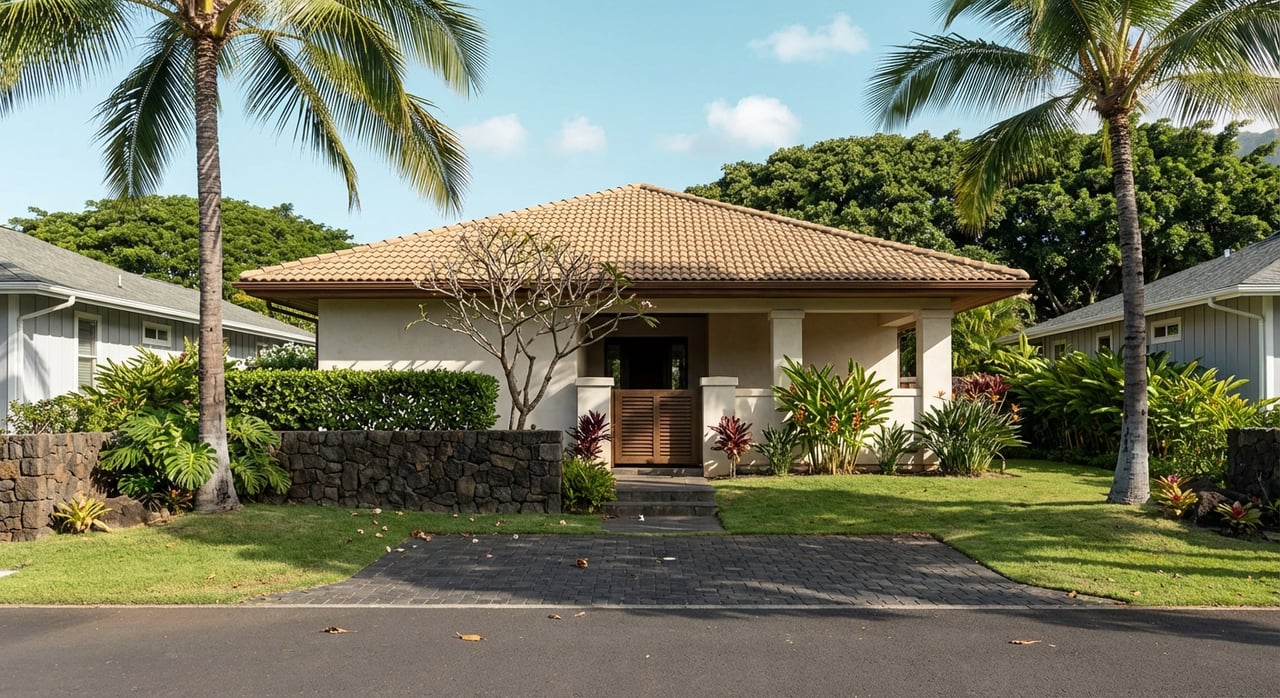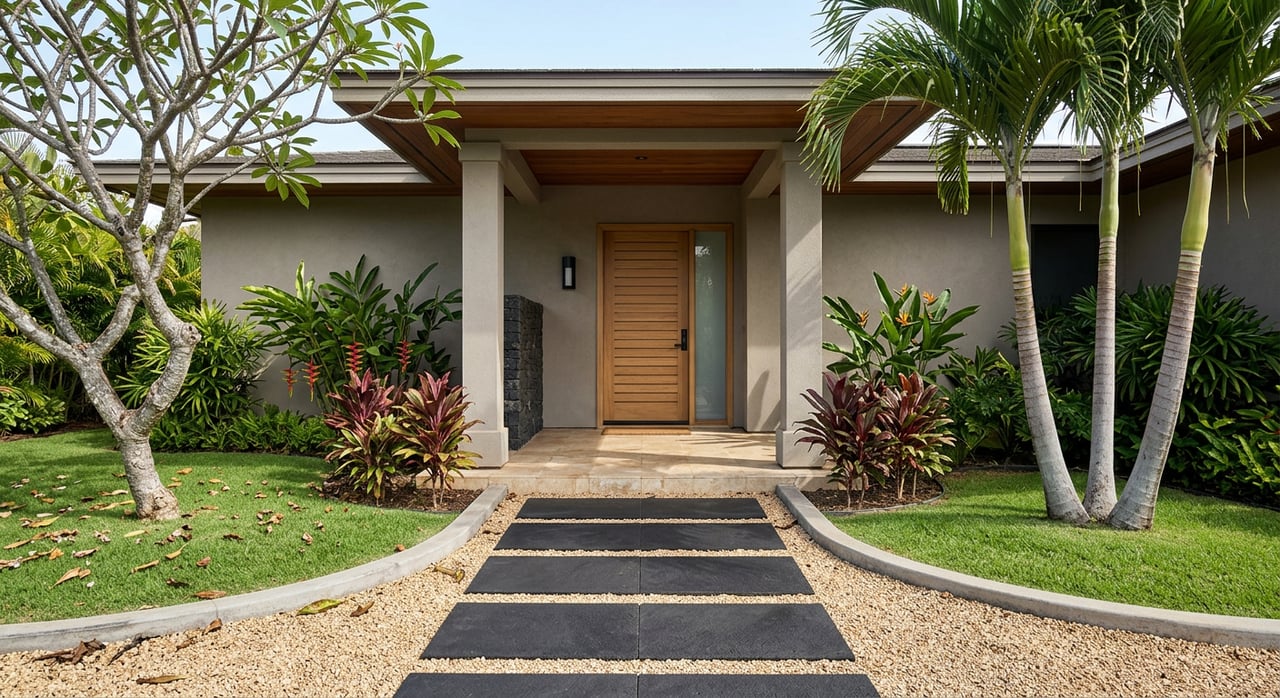
Thinking about trading mainland winters for Kona sunsets? Moving to an island is exciting, but the logistics feel different than a cross‑country move. You want a clear plan, real costs, and local insight so you can land smoothly. This starter guide walks you through timelines, budgets, Hawaii‑specific closing steps, and how to focus your home search in Kailua‑Kona, with practical links to help you take action. Let’s dive in.
Your 3–6 month game plan
Relocating to Kailua‑Kona usually takes more lead time than a mainland move. Start early so you can make confident decisions.
- 3–6 months out: research neighborhoods, get pre‑qualified with a lender who understands Hawaii, and interview local agents and escrow/title companies. Begin planning for pet and vehicle shipping if needed. You can review a high‑level Hawaii buying overview to set expectations in advance of your search. Review the Hawaii buying process.
- 1–2 months before active touring: schedule an in‑person visit for 2–7 days to confirm neighborhood feel and walk short‑list properties. If you cannot travel yet, ask for detailed video tours and live walk‑throughs so you can evaluate condition and surroundings.
- Offer to close: most financed purchases target about 30–45 days once you open escrow. Cash can be faster. Allow time for any seller tax paperwork that escrow must confirm at closing.
- Move window: household goods by ocean freight often take about 3–6 weeks door‑to‑door from West Coast ports. Vehicle shipments commonly run 7–14 days of transit plus port handling and island delivery time. Plan your shipping timeline.
What homes cost in Kailua‑Kona
Market reports vary by source and by the exact area measured. Recent datasets commonly show a median range from roughly 700,000 to 1,000,000 for single‑family homes and area‑wide metrics in Kailua‑Kona. The precise number for your target neighborhood will depend on timing and property type. For the most accurate day‑of‑market view, rely on the local MLS and your agent’s analysis.
Two quick tips:
- Focus on your specific micro‑market. Downtown oceanfront condos, inland single‑family neighborhoods, and resort‑area properties each behave differently.
- Ask for a custom pricing brief tied to your criteria. A local MLS pull will give you current medians, days on market, and absorption in your price band.
Closing costs and Hawaii paperwork essentials
You will see a few Hawaii‑specific items during escrow. Understanding them early keeps you on schedule.
- Buyer closing costs: plan for about 2–5 percent of the purchase price for items like appraisal, lender fees, escrow/title charges, and prepaid insurance and taxes. Cash buyers typically pay less without loan costs.
- Conveyance tax: Hawaii imposes a state conveyance tax with tiered rates per 100 dollars of consideration. It is usually a seller expense, but confirm in your purchase contract. You can review the statutory framework in Chapter 247. Read Hawaii’s conveyance tax statute.
- HARPTA withholding: when a seller is a Hawaii nonresident, escrow must withhold 7.25 percent of the sales price at closing and remit it to the state. This is a withholding on the seller’s proceeds, not an extra tax on you as the buyer. Waivers and refunds may apply for the seller after filing. See Hawaii’s HARPTA guidance.
Typical closing timeline
Financed purchases in Hawaii commonly close in about 30–45 days after an accepted offer. Remote notarization, wire transfers, and couriered originals are routine for off‑island buyers, but confirm your escrow’s process early to avoid delays. Learn how Hawaii closings work.
Escrow, title, and recording
Hawaii closings are handled by escrow/title companies. The deal is considered closed once the deed records with the state’s Bureau of Conveyances. Transaction timelines are date‑driven, so plan to respond quickly to inspection, financing, and document milestones. Preview the escrow process in Hawaii.
Property taxes and recurring costs to budget
Owning on the Big Island has its own cost profile. Build these into your plan.
County property tax basics
Hawaii County classifies properties by use, including homeowner and non‑owner categories, each with its own per‑1,000 dollar rate. Always confirm the current year’s rate schedule and your property’s classification with the county or your escrow officer, and run an example calculation before you make an offer. Check Hawaii County real property tax info.
Insurance and flood zones
Coastal and low‑lying properties may have higher homeowners and flood insurance premiums. Before you commit, check whether a property sits in a flood zone and whether flood insurance will be required by your lender. Search FEMA flood maps by address.
Utilities and HOA/condo dues
- Utilities: electricity, fuel, and groceries run higher than many mainland metros. Build a realistic monthly buffer, especially if you will rely on air conditioning at lower elevations.
- HOA/Condo dues: common along Aliʻi Drive and in planned communities. Ask for current budgets, reserve studies, and any upcoming assessments. Fees can vary widely and will affect your monthly carry.
Focus your search: Kona areas and tradeoffs
Kailua‑Kona offers distinct neighborhood vibes within a relatively small footprint. Think through your priorities and use these snapshots to narrow your list.
- Historic Kailua Village and Aliʻi Drive: walkable, ocean‑adjacent, with many condos and some small single‑family pockets. You get easy access to dining and the waterfront. Consider parking logistics and HOA rules.
- Keauhou: resort‑style developments, a small harbor, and amenities. Great if you like a resort setting with shopping and recreation nearby.
- Kealakehe and Kaloko: more conventional residential neighborhoods, some larger lots, and a bit more space inland. You may trade a slightly longer drive to downtown for privacy and elevation.
- Holualoa: mauka coffee‑country character and cooler temperatures at elevation. You will want to confirm commute times and road patterns that fit your lifestyle.
- North Kona resort corridor and beyond: planned communities and golf‑oriented areas with higher price points, especially in resort enclaves. Distance to downtown varies, so factor in drive times and airport access.
Hazards and microclimate checks
- Lava hazard zones: the Big Island has nine lava‑flow hazard zones. Much of Kailua‑Kona sits in lower to moderate risk areas compared with other parts of the island, but risk varies by site and can influence insurability and lending. Review the USGS lava‑flow hazard map.
- Flood and tsunami exposure: many shoreline properties are in tsunami evacuation areas. Confirm required insurance and your personal risk tolerance. Verify flood zones on FEMA maps.
Infrastructure questions to ask early
Water, sewer, and broadband can vary by subdivision. Some rural parcels rely on catchment, wells, or cesspools, while planned subdivisions often have county water and sewer. Before you make an offer, confirm utility availability, hookup or upgrade costs, and any county requirements for your property. Use county resources to verify details.
Moving logistics: flights, pets, vehicles, goods
Planning your arrival and shipments ahead of time saves money and stress.
Flights and arrivals at KOA
Kona International Airport (KOA) is about 7–10 miles from downtown Kailua‑Kona and will likely be your entry point. Book rental cars and any oversized item handling in advance during busy seasons. See KOA airport information.
Bringing pets to Hawaii
Hawaii is rabies‑free and enforces a strict animal quarantine program. The state offers Direct Airport Release and 5‑Day‑or‑Less options, but they require precise timing for vaccinations, FAVN blood tests, and document submission. Start pet paperwork 4–6 months before arrival to avoid a 120‑day quarantine. Follow the state checklists closely. Review the Animal Quarantine requirements.
Shipping a vehicle
Base rates from West Coast ports to Hawaii for a standard sedan often fall in the 1,500 to 2,500 dollar range, plus port fees and local registration and inspection once it arrives. All‑in, many buyers budget 2,000 dollars or more. Transit commonly takes 7–14 days to a Hawaiian port, plus time for port scheduling and island delivery. Compare carriers and confirm pickup and drop‑off details early. Read a practical car‑shipping guide.
Household goods and what to pack
Ocean shipments typically take about 3–6 weeks from West Coast consolidation to your Kailua‑Kona door, depending on vessel schedules and delivery. Consider sending a small “essentials” box by air and letting bulk items follow by ocean container. Shipping and replacement costs are high, so it pays to pare down before you move. Plan your freight timing.
Inspections, surveys, and local best practices
Kona’s tropical climate and coastal conditions call for a thorough due diligence plan.
- Termite and moisture: schedule a wood‑destroying organism inspection and consider moisture assessments, especially for ocean‑adjacent homes and older construction. Verify sewer versus septic and whether the property is on county water.
- Surveys and staking: Hawaii often uses a K‑2 staking survey to confirm property corners. If the seller’s survey is missing or outdated, order one promptly to avoid escrow delays.
Financing tips for mainland buyers
Many mainland and local lenders do finance Hawaii properties, but underwriting can differ for leasehold, condotel, or properties in certain hazard zones. Get pre‑approved with a lender experienced in Hawaii loans and compare terms from a local bank and a mainland lender that does business here. Preview Hawaii loan considerations.
A simple plan for your first Kona visit
Use your first scouting trip to make fast progress.
- Day 1–2: neighborhood orientation and drive‑times at different hours. Walk downtown, cruise Aliʻi Drive, and tour mauka neighborhoods like Holualoa.
- Day 3–4: tour short‑list homes, review HOA docs or condo reserves, and flag any insurance or flood‑zone questions for your agent and insurer.
- Day 5: meet with a preferred lender and a local escrow officer, review closing timelines, and prep for offer writing. If you plan to bring a pet or car, confirm shipping dates and paperwork.
Make your move with a local partner
You do not have to navigate island logistics alone. A seasoned Kona team can coordinate video tours, local inspections, lender and escrow introductions, and remote closing steps while keeping your timeline and budget on track. If you are ready to explore Kailua‑Kona, we are here to help you plan a smooth, well‑informed transition.
Schedule a Consultation with Team Kuessner Davis.
FAQs
How long does a Hawaii home purchase take if I am off island?
- Most financed purchases close in about 30–45 days, and cash deals can be quicker. Remote notarization and wiring are common, but confirm your escrow’s requirements early.
What is HARPTA and does it affect me as a buyer?
- HARPTA is a 7.25 percent state withholding on sale proceeds when the seller is a Hawaii nonresident. It is handled by escrow and is not an extra tax on buyers, though it can affect a seller’s net at closing. See state guidance.
Do I need to worry about lava zones in Kailua‑Kona?
- Much of Kailua‑Kona is in lower to moderate lava‑hazard zones, but the exact zone can impact insurance and lending. Always verify the property’s zone using the USGS hazard map.
How far in advance should I start pet and car arrangements?
- Start pet paperwork 4–6 months before arrival to meet vaccination and document windows. Book vehicle shipping 4–8 weeks out to match vessel schedules and port availability. Review pet requirements.
What recurring costs should I expect beyond my mortgage?
- Budget for Hawaii County property taxes by classification, homeowners and possible flood insurance, higher island utility costs, and any HOA or condo dues. Check county tax resources and FEMA flood zones.